
Cuba uses the Cuban peso, type A and B plugs and 104 for emergencies. Cuba is generally a safe destination for travelers, with low rates of violent crime compared to many countries in the region.
Emergency Numbers
How safe is Cuba?
- Very Safe
- Generally Safe
- Exercise Caution
- High Risk
- Dangerous
Cuba is generally a safe destination for travelers, with low rates of violent crime compared to many countries in the region. Petty crime such as pickpocketing and theft is the main concern, especially in tourist areas of Havana and on crowded transport. The larger practical challenges are economic: persistent shortages of food, fuel, medicine, and cash, along with frequent and sometimes prolonged power outages (apagones). Travelers should bring sufficient cash, as international cards (especially US-issued cards) often do not work.
Advisories (8)
Scams
- Jineteros (street hustlers) approach tourists offering cigars, restaurant recommendations, or 'casa particular' lodging, then steer you to overpriced or counterfeit goods and collect commissions. Politely decline and walk on.
- Counterfeit cigars sold on the street or by people claiming a 'special factory deal' are common; buy cigars only from official state shops (Casas del Habano) with proper seals and receipts.
- Currency confusion and bad exchange rates: avoid changing money on the street, and be clear whether prices are in pesos (CUP) or US dollars. Unofficial street rates fluctuate wildly and street changers may shortchange or pass fake notes.
- Restaurant and taxi overcharging: agree the fare before getting into a taxi (most are unmetered) and check menu prices, as some venues quote inflated 'tourist' prices or add unexpected charges.
Warnings
- Frequent and sometimes lengthy power outages affect water pumping, refrigeration, ATMs, and traffic signals nationwide; carry a flashlight and keep devices charged.
- Chronic shortages of cash, fuel, food, and medicines mean ATMs are often empty and pharmacies poorly stocked; bring euros or other major currency in cash and any prescription medication you need.
- US-issued credit and debit cards generally do NOT work in Cuba due to the US embargo; rely on cash and non-US cards where accepted.
- Hurricane season runs roughly June to November, with peak risk August to October; monitor forecasts and follow local guidance during storms.
Practical Info
Currency
Cuban peso (CUP)
Power Plug
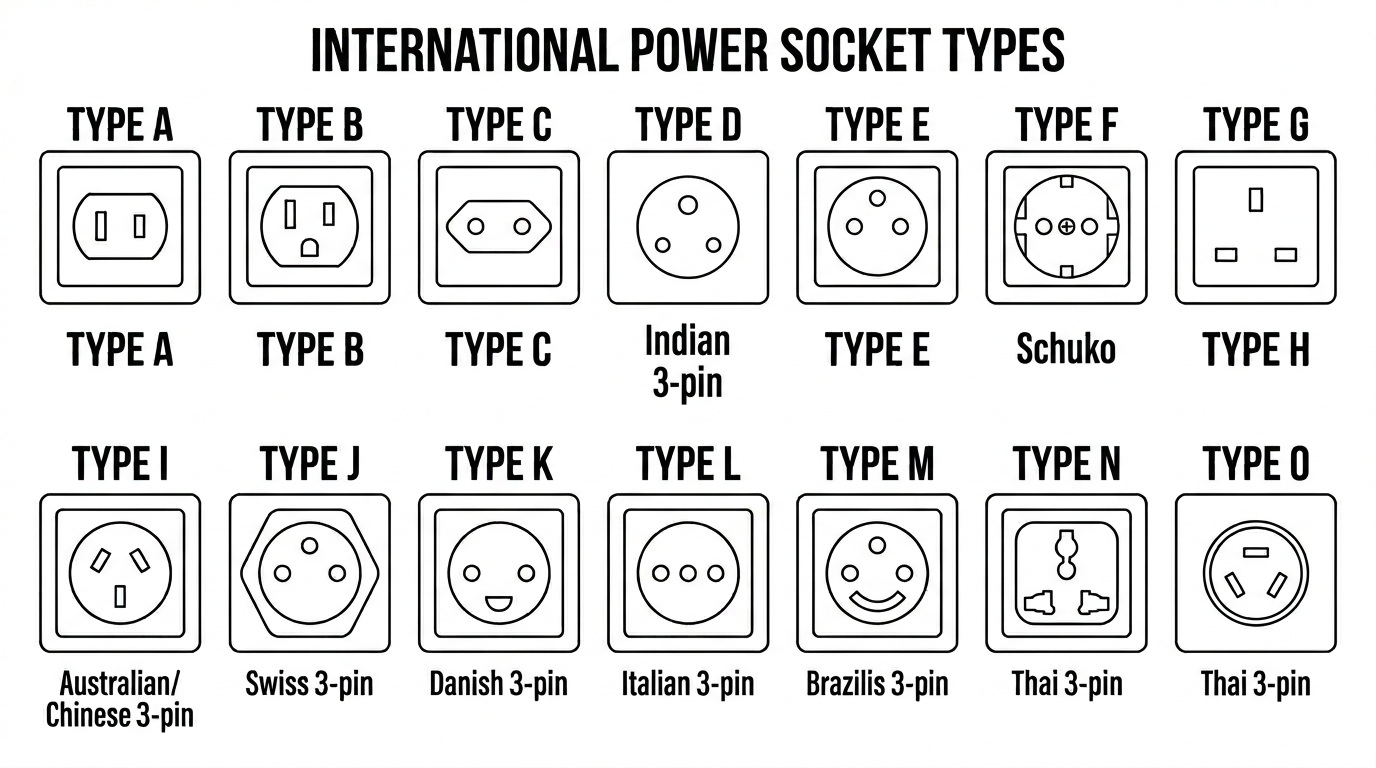
Type A and B
Types A and B (and sometimes C); voltage is commonly 110V but many newer hotels also offer 220V, at 60Hz. Carry a universal adapter and check voltage before plugging in appliances.
See the sockets
Tipping
Tipping is widespread and important. Leave around 10% in restaurants if service isn't included, tip hotel staff, musicians, and guides a few dollars or the equivalent, and round up or give a small tip to taxi drivers. Cash tips in euros or US dollars are especially valued, though pesos are fine too.
SIM / Data
ETECSA is the sole telecom provider. Buy a Cubacel tourist SIM or eSIM for data, available at airports, ETECSA offices, and some hotels; bring your passport. Mobile data exists but can be slow and patchy, and outages affect connectivity. Public Wi-Fi historically required Nauta scratch cards in parks and hotels, though mobile data has largely replaced this. Do not expect reliable, fast internet anywhere.
Visa
Most tourists need a Cuban Tourist Card (commonly called the 'tarjeta del turista' or tourist visa), available through airlines, travel agencies, or Cuban consulates, valid for a single stay of typically 30 days and extendable once. Passports should be valid for the duration of stay. Travelers must show proof of valid travel health insurance on entry. US travelers face additional rules under US law: travel must fall under one of the authorized categories (tourism is technically not permitted), and a pink tourist card is required for those arriving from the US. Always confirm current requirements before booking.
Driving Side
Right
How do you get around Cuba?
Public Transport
Within cities, options include metered and unmetered taxis, shared collective taxis (colectivos/almendrones, often vintage American cars running fixed routes), bicitaxis (pedicabs), and horse carts in smaller towns. Havana has local buses (guaguas) that are extremely cheap but crowded and confusing for visitors. Agree fares in advance for private taxis.
Ride-hailing
- La Nave
- Yo Te Llevo
- D'Taxi
Intercity
Víazul is the main long-distance bus line for tourists, connecting Havana with Varadero, Trinidad, Viñales, Santiago de Cuba, and other hubs; book ahead, especially in high season, as seats sell out. Colectivos (shared classic-car taxis) run fixed intercity routes and can be faster and more flexible. Domestic flights via Cubana exist but are subject to delays and cancellations. Renting a car is possible but pricey, with fuel shortages and variable road conditions; drive cautiously and watch for cyclists, animals, and unlit vehicles at night.
Culture and customs
Customs
- Cubans are warm, social, and direct; greetings matter. A handshake is standard, and friends and women often exchange a single kiss on the cheek. Take time for small talk before business.
- Music and dance are woven into daily life. Live son, salsa, rumba, and trova spill out of doorways and plazas; joining in or at least appreciating it is welcomed.
- Tipping is genuinely important given low state wages; small tips in cash to waiters, musicians, taxi drivers, and casa particular hosts make a real difference and are appreciated.
- Avoid heated public criticism of the government or political leadership with people you don't know well; Cubans may speak candidly in private but public discretion is wise and protects locals.
- Casas particulares (licensed family homestays) and paladares (private restaurants) are central to travel here; staying and eating in them supports families directly and offers the most authentic welcome.
- Be patient and flexible. Shortages, queues (colas), and changing schedules are part of daily life; a relaxed attitude and good humor go a long way.
Dress Code
Dress is casual and light for the tropical climate: cotton, linen, shorts, and sundresses are normal. Beachwear stays at the beach or pool, not in town. For churches, dress modestly by covering shoulders and knees. Evenings out at clubs, theaters, or upscale paladares warrant smarter casual attire.
Religious Etiquette
Cuba is officially secular but predominantly Catholic, with a strong presence of Afro-Cuban religions such as Santería (Regla de Ocha). Visitors may see practitioners dressed in white or shrines and offerings; treat these with respect and ask permission before photographing people or ceremonies. Dress modestly in churches and avoid disrupting services. Religious processions, such as those for the Virgin of Charity (Cuba's patron saint), should be observed quietly and respectfully.
Common Phrases
- Hola, ¿qué tal?Hello, how's it going?
- Por favor / GraciasPlease / Thank you
- ¿Cuánto cuesta?How much does it cost?
- ¿Dónde está el baño?Where is the bathroom?
- No entiendo, ¿puede repetir?I don't understand, can you repeat?
- La cuenta, por favorThe bill, please
Highlights
Sports & Recreation
Baseball
Baseball (béisbol or pelota) is Cuba's national passion, played in dusty lots and packed stadiums alike. The Serie Nacional draws fervent crowds, and informal debate among fans at Havana's Parque Central 'esquina caliente' (hot corner) is a daily ritual. Boxing is the country's other powerhouse, producing a long line of Olympic champions. Football (soccer), volleyball, and athletics also have strong followings, and Cubans of all ages love an impromptu street game.
National Festivals
- January 1
Triumph of the Revolution / New Year
Marks the 1959 victory of the Cuban Revolution, combined with New Year celebrations; a major public holiday with parades, music, and family gatherings.
- February (annual)
Havana International Jazz Festival (Jazz Plaza)
A flagship music festival drawing top Cuban and international jazz musicians to venues across Havana for several days of concerts and jam sessions.
- July (mid-late)
Carnaval de Santiago de Cuba
Cuba's most famous carnival, with congas, comparsas, elaborate costumes, drumming, and street dancing rooted in Afro-Cuban traditions in Santiago de Cuba.
- December (early)
Havana International Film Festival (Festival del Nuevo Cine Latinoamericano)
A celebrated showcase of Latin American and world cinema held across Havana's historic cinemas, a highlight of the cultural calendar.
Planning Cuba?
Try a ready-made trip first.
Open the demo trip with no sign-up: Barcelona on your own, or Rome, Florence and Venice as a group. Then plan Cuba your way.