
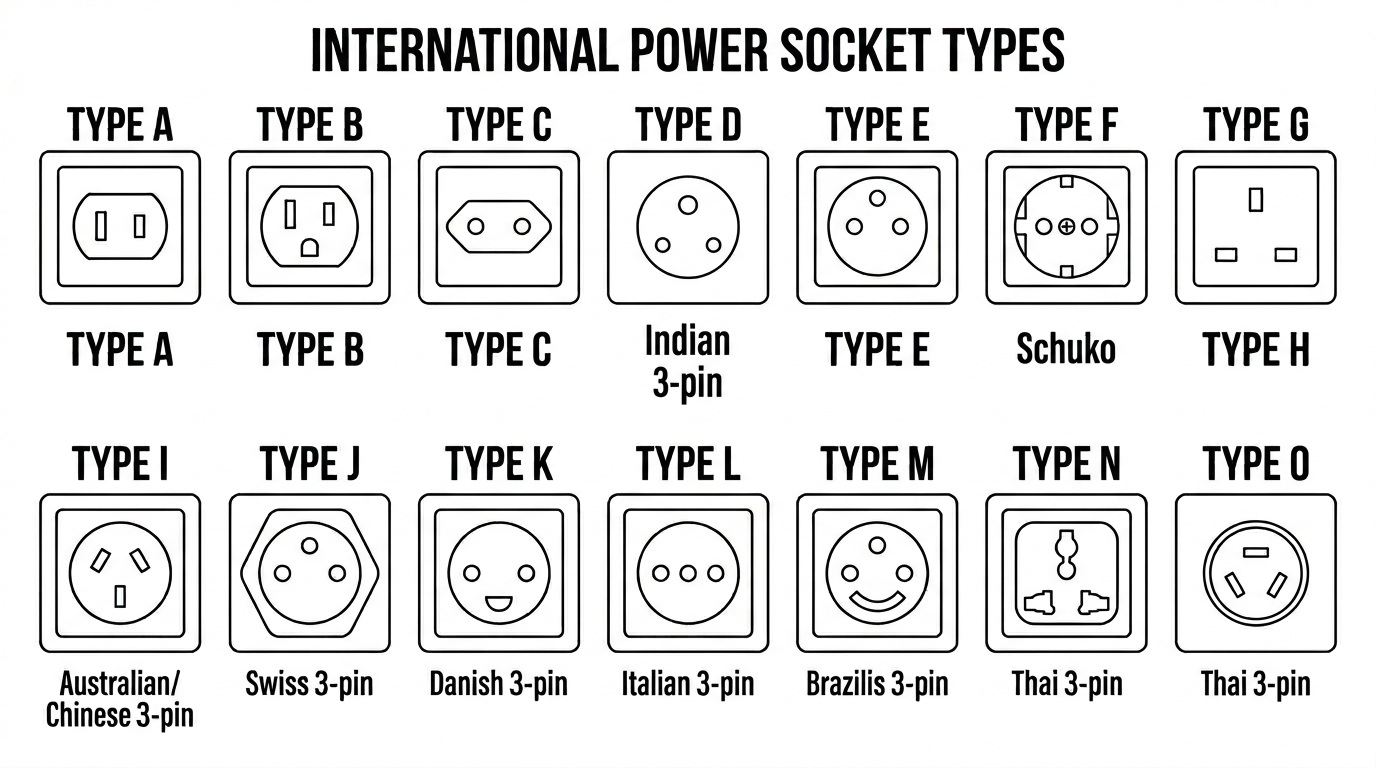
Croatia uses the Euro, type C and F plugs and 112 for emergencies. Croatia is generally a safe country for tourists.
Emergency Numbers
How safe is Croatia?
- Very Safe
- Generally Safe
- Exercise Caution
- High Risk
- Dangerous
Croatia is generally a safe country for tourists. Major cities and tourist areas are well-policed. Standard precautions against petty crime should be taken, especially in crowded areas.
Advisories (5)
Scams
- Pickpocketing can occur in crowded tourist spots like markets, public transport, and historical centers, especially during peak season.
- Taxi drivers may overcharge, especially if you don't agree on a price beforehand or if the meter is not used. Use ride-hailing apps or licensed taxis.
- Be wary of unsolicited 'help' with luggage at bus/train stations or offers for tours that seem too good to be true.
Warnings
- While rare in tourist areas, some remote, unmarked areas, particularly in inland regions and near former conflict zones, may still have unexploded landmines from the 1990s war. Stick to marked roads and trails.
- Be cautious when swimming in the sea, as sea urchins are common. Water shoes are recommended.
Practical Info
Currency
Euro (EUR)
Power Plug
Type C and F
Type C and F
See the sockets
Tipping
Tipping is appreciated but not mandatory. In restaurants and cafes, it's common to round up the bill or leave 10-15% for good service. For taxi drivers, rounding up is typical. Hotel staff and tour guides appreciate small tips.
SIM / Data
Prepaid SIM cards are readily available from major providers like T-Hrvatski Telekom, A1, and Telemach at airports, kiosks, and mobile shops. They offer good coverage and affordable data packages. Ensure your phone is unlocked.
Visa
Croatia is part of the Schengen Area. Visitors from many countries can enter visa-free for up to 90 days within any 180-day period. Always check the specific visa requirements for your nationality before travel.
Driving Side
Right
How do you get around Croatia?
Public Transport
Public transportation in major cities primarily consists of buses. Zagreb also has an extensive tram network. Ferries are crucial for inter-island travel along the coast, connecting the mainland with numerous islands.
Ride-hailing
- Uber
- Bolt
Intercity
Long-distance buses are the most common and efficient way to travel between cities and towns in Croatia, offering extensive routes and frequent departures. Train travel is less developed and slower, primarily connecting Zagreb with other major cities. Domestic flights are available for quicker travel between major hubs like Zagreb, Split, and Dubrovnik.
Culture and customs
Customs
- Greetings are important: a handshake is common among men, and a kiss on both cheeks (starting with the right) is common among close friends and family. 'Dobar dan' (Good day) is a standard greeting.
- Hospitality is highly valued. If invited to a Croatian home, bring a small gift like wine or chocolates.
- Coffee culture is strong; Croatians enjoy lingering over coffee. It's a social ritual.
- Respect for elders is important. Show deference and use formal address ('Vi' instead of 'ti') until invited otherwise.
Dress Code
Casual dress is generally acceptable in most public places. However, when visiting churches or religious sites, it's respectful to dress modestly, covering shoulders and knees.
Religious Etiquette
Croatia is predominantly Roman Catholic. When visiting churches, be quiet and respectful. Avoid loud conversations, turn off mobile phones, and avoid taking photos during services. Dress modestly.
Common Phrases
- Dobar danGood day
- MolimPlease / You're welcome
- HvalaThank you
- DoviđenjaGoodbye
- DaYes
- NeNo
- OprostiteExcuse me / Sorry
- Govorite li engleski?Do you speak English?
Highlights
Sports & Recreation
Football (soccer)
Croatians are incredibly passionate about football, especially their national team. Water sports, including sailing, swimming, and diving, are also extremely popular along the Adriatic coast. Hiking, cycling, and rock climbing are enjoyed in national parks and mountainous regions.
National Festivals
- Mid-July to Late August
Dubrovnik Summer Festival
An annual arts festival held in Dubrovnik, featuring theater, opera, music, and dance performances staged in various outdoor venues across the city's historical sites.
- Mid-July to Mid-August
Split Summer Festival
Similar to Dubrovnik's, this festival brings opera, drama, ballet, and concerts to the ancient city of Split, often utilizing Diocletian's Palace as a breathtaking backdrop.
- Late November to Early January
Zagreb Advent
Voted Europe's best Christmas market multiple times, Zagreb's Advent transforms the city into a festive wonderland with stalls, ice skating, concerts, and vibrant decorations.
- Mid-July
Pula Film Festival
Croatia's oldest and most prestigious film festival, held annually in the stunning Roman amphitheater in Pula, screening national and international films.
Cities in Croatia
Planning Croatia?
Try a ready-made trip first.
Open the demo trip with no sign-up: Barcelona on your own, or Rome, Florence and Venice as a group. Then plan Croatia your way.