
Egypt uses the Egyptian Pound, type C and F plugs and 126 for emergencies. Egypt is generally safe for tourists, especially in major tourist areas and resorts.
Emergency Numbers
How safe is Egypt?
- Very Safe
- Generally Safe
- Exercise Caution
- High Risk
- Dangerous
Egypt is generally safe for tourists, especially in major tourist areas and resorts. However, petty crime such as pickpocketing can occur in crowded places. Political demonstrations, though rare, should be avoided. Always be aware of your surroundings and exercise caution, particularly in less-trafficked areas or at night.
Advisories (7)
Scams
- Fake tour guides and unsolicited 'help' from individuals near historical sites: Always book tours through reputable agencies and be firm but polite when declining offers.
- Taxi overcharging: Insist on the meter or agree on a price beforehand. Ride-hailing apps are a safer alternative.
- Persistent vendors in markets (souks): Bargaining is expected, but be prepared for high-pressure sales tactics. Do not feel obligated to buy.
- Offers for 'free' camel or horse rides that turn into demands for payment.
Warnings
- Exercise increased caution due to the threat of terrorism, particularly in remote areas of the Western Desert and near the border with Libya.
- Avoid all demonstrations and large public gatherings, as they can turn confrontational.
- Respect local laws and customs, particularly regarding dress code and public behavior, to avoid unintended offense.
Practical Info
Currency
Egyptian Pound (EGP)
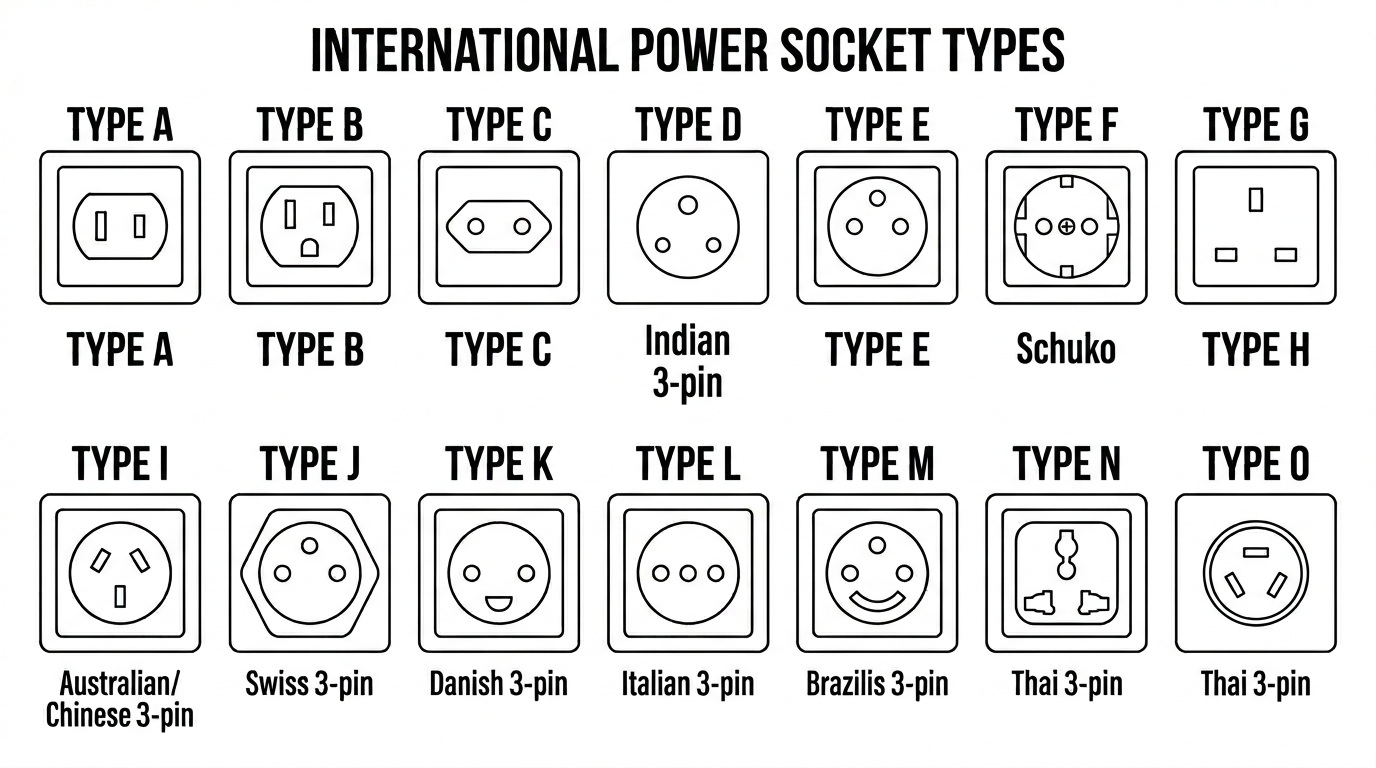
Power Plug
Type C and F
Type C and Type F (European two-pin round plugs)
See the sockets
Tipping
Tipping (known as 'baksheesh') is customary and expected for most services. Small amounts are appreciated for minor services. For restaurants, 10-15% is common if service isn't already included. For tour guides and drivers, a daily rate or a percentage of the tour cost is typical.
SIM / Data
Local SIM cards are readily available at major airports and mobile provider stores (Vodafone, Orange, Etisalat). You will need your passport for registration. Data packages are generally affordable and provide good coverage in urban and tourist areas.
Visa
Most nationalities require a visa to enter Egypt. Many can obtain a visa on arrival at major airports (e.g., Cairo, Hurghada, Luxor) for a fee (usually US$25). Alternatively, you can apply for an e-Visa online or through an Egyptian embassy/consulate in advance. Check specific requirements based on your nationality.
Driving Side
Right
How do you get around Egypt?
Public Transport
In Cairo, the Metro is efficient, inexpensive, and a good way to avoid traffic, with designated women-only carriages during peak hours. Buses and microbuses are also available but can be crowded and less tourist-friendly. In other cities, public transport options are more limited.
Ride-hailing
- Uber
- Careem
Intercity
Domestic flights connect major tourist destinations (e.g., Cairo to Luxor, Aswan, Hurghada). Trains are a popular and affordable option for travel along the Nile Valley, with overnight sleeper trains available between Cairo, Luxor, and Aswan. Buses also connect various cities. Nile cruises are a popular and scenic way to travel between Luxor and Aswan, offering a blend of transport and sightseeing.
Culture and customs
Customs
- Dress modestly, especially when visiting religious sites and outside of resort areas. Cover shoulders and knees.
- Always use your right hand when shaking hands, eating, or passing objects, as the left hand is considered unclean.
- Bargaining is a common practice and expected in markets and souks.
- Ask for permission before photographing people, especially women.
- Be mindful of public displays of affection, which are generally frowned upon.
Dress Code
Modest dress is highly recommended for both men and women. For women, this typically means covering shoulders and knees. A headscarf is required when entering mosques. Men should avoid wearing shorts in formal settings or when visiting religious sites.
Religious Etiquette
Islam is the predominant religion. When visiting mosques, remove your shoes and ensure women cover their heads. Avoid visiting during prayer times. Respect the fasting month of Ramadan; eating, drinking, and smoking in public during fasting hours are discouraged.
Common Phrases
- Salam AlaikumPeace be upon you (Hello)
- Wa Alaikum SalamAnd upon you be peace (Response to hello)
- ShukranThank you
- AfwanYou're welcome / Excuse me
- AywaYes
- La'No
- Kam da?How much is this?
Highlights
Sports & Recreation
Football (soccer)
Football is the most popular sport in Egypt, passionately followed with major local clubs like Al Ahly and Zamalek. Water sports such as diving, snorkeling, and windsurfing are extremely popular along the Red Sea coast. Desert safaris, quad biking, and hot air balloon rides over Luxor are also popular recreational activities. Nile cruises offer a unique way to experience historical sites and scenery.
National Festivals
- Varies (Islamic calendar, after Ramadan)
Eid al-Fitr
Marks the end of Ramadan, the month of fasting. Celebrated with family gatherings, special prayers, feasts, and gift-giving. A major public holiday.
- Varies (Islamic calendar, ~70 days after Eid al-Fitr)
Eid al-Adha
The 'Festival of Sacrifice,' commemorating Abraham's willingness to sacrifice his son. Celebrated with prayers, animal sacrifice, and sharing meat with family, friends, and the needy. Another significant public holiday.
- January 7th
Coptic Christmas
Celebrated by Egypt's Coptic Christian community. Festivities include church services, special meals, and family gatherings. A public holiday.
- Varies (Coptic Easter Monday)
Sham el-Nessim
An ancient spring festival celebrated by all Egyptians, regardless of religion. Families go to parks, picnic, and eat traditional foods like colored eggs, salted fish (feseekh), and green onions. A public holiday.
- July 23rd
Revolution Day (July 23rd)
Commemorates the 1952 revolution that led to the end of the monarchy and the establishment of the Republic of Egypt. Celebrated with parades and national events. A public holiday.
Cities in Egypt
Planning Egypt?
Try a ready-made trip first.
Open the demo trip with no sign-up: Barcelona on your own, or Rome, Florence and Venice as a group. Then plan Egypt your way.