
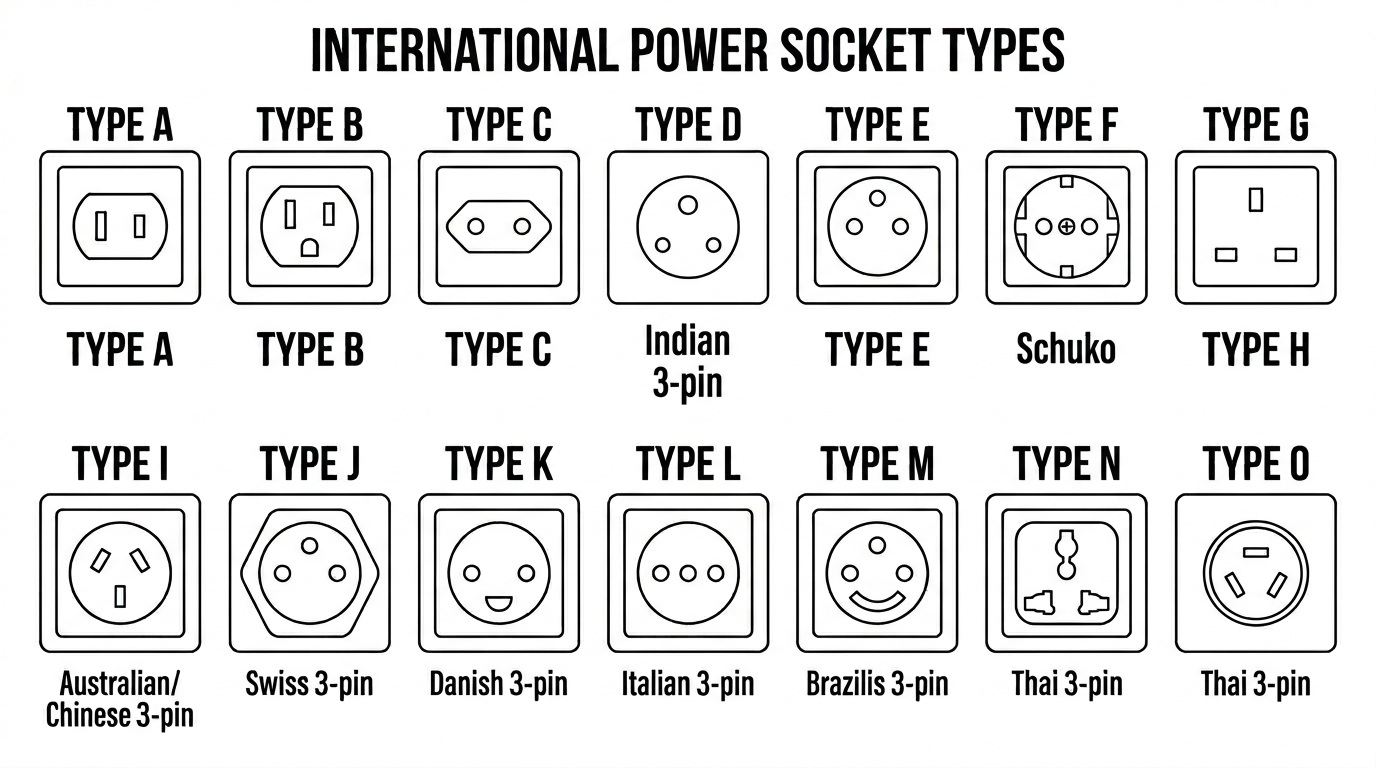
Iceland uses the Icelandic Króna, type C and F plugs and 112 for emergencies. Iceland is one of the safest countries in the world with very low crime rates.
Emergency Numbers
How safe is Iceland?
- Very Safe
- Generally Safe
- Exercise Caution
- High Risk
- Dangerous
Iceland is one of the safest countries in the world with very low crime rates. The main safety concerns are related to its natural environment, such as unpredictable weather, strong winds, sudden changes in road conditions, and hazardous geothermal areas. Always check weather forecasts and road conditions before traveling, especially outside urban areas.
Advisories (4)
Warnings
- Weather can change rapidly; be prepared for all four seasons in one day.
- Respect nature and stay on marked paths, especially near hot springs and glaciers.
- Off-road driving is strictly prohibited and can result in heavy fines and environmental damage.
- Be cautious when driving, particularly on gravel roads and in strong winds.
Practical Info
Currency
Icelandic Króna (ISK)
Power Plug
Type C and F
Type C and F
See the sockets
Tipping
Tipping is not customary in Iceland as service charges are usually included in prices. However, if you receive exceptional service, a small tip will be appreciated.
SIM / Data
Local SIM cards from providers like Síminn, Vodafone, or Nova offer good coverage, even in rural areas. Prepaid SIMs are widely available at the airport or convenience stores. eSIMs are also a convenient option for many international travelers.
Visa
Iceland is part of the Schengen Area. Visitors from many countries can enter visa-free for up to 90 days within a 180-day period. Check specific visa requirements based on your nationality prior to travel.
Driving Side
Right
How do you get around Iceland?
Public Transport
Public transport is limited outside of the capital area. Reykjavík has an efficient bus system (Strætó). Intercity buses connect some major towns, but services can be infrequent, especially outside of peak tourist seasons.
Intercity
Renting a car (preferably a 4x4 for highland roads or winter travel) is the most popular and flexible way to explore Iceland's diverse landscapes. Domestic flights connect Reykjavík to larger towns like Akureyri and Egilsstaðir. Ferries also serve some coastal areas and islands.
Culture and customs
Customs
- Punctuality is valued in social and business settings.
- It is customary to remove your shoes when entering someone's home.
- Respect for nature is paramount; do not litter or damage natural formations.
- Bathing in public swimming pools requires showering naked beforehand for hygiene reasons.
Dress Code
Casual and practical. Layered clothing is essential due to the highly unpredictable weather. Waterproof and windproof outer layers are highly recommended, even in summer.
Religious Etiquette
While the National Church of Iceland (Evangelical Lutheran) is the largest denomination, Icelandic society is largely secular. Generally, there are no strict religious etiquette rules for visitors, but respect is always appreciated in places of worship.
Common Phrases
- HallóHello
- Takk fyrirThank you
- VinsamlegastPlease
- JáYes
- NeiNo
- Talarðu ensku?Do you speak English?
Highlights
Sports & Recreation
Football (Soccer) and Handball are very popular, with strong national teams. Swimming is also a national pastime, often in geothermally heated pools.
Icelanders embrace outdoor activities. Hiking, glacier walking, horse riding, cycling, and bathing in hot springs and geothermal pools are integral to the recreational culture. Fishing and golf are also popular seasonal activities.
National Festivals
- December 31st
New Year's Eve
Icelanders celebrate New Year's Eve with massive fireworks displays, particularly in Reykjavík, where private fireworks light up the sky for hours. Bonfires are also common.
- June 17th
Icelandic National Day (Þjóðhátíðardagurinn)
Celebrates Iceland's independence from Danish rule. Festivities include parades, traditional costumes, street performances, and family-friendly events across the country, especially in Reykjavík.
- Late August
Culture Night (Menningarnótt)
Reykjavík's largest festival, featuring a full day of cultural events, concerts, art exhibitions, and performances throughout the city, culminating in a spectacular fireworks display over the harbor.
Cities in Iceland
Planning Iceland?
Try a ready-made trip first.
Open the demo trip with no sign-up: Barcelona on your own, or Rome, Florence and Venice as a group. Then plan Iceland your way.