
Peru Travel Guide. Essential travel information — emergency numbers, safety, currency, visas, customs and getting around.
Emergency Numbers
How safe is Peru?
- Very Safe
- Generally Safe
- Exercise Caution
- High Risk
- Dangerous
Peru is generally safe for tourists, especially in popular areas. However, petty crime like pickpocketing and bag snatching is common, particularly in crowded markets, bus terminals, and tourist hotspots. Be vigilant, especially at night, and avoid displaying valuables. Solo female travelers should take extra precautions.
Advisories (7)
Scams
- Fake taxi drivers who overcharge or divert routes. Always use official or app-based taxis.
- Street vendors or 'helpful' strangers who distract you while an accomplice pickpockets you.
- Overpriced goods in tourist areas; always haggle respectfully.
- Individuals posing as police officers demanding to see your passport or money.
Warnings
- Altitude sickness (Soroche) is a serious concern in high-altitude areas like Cusco and Puno. Acclimatize slowly and stay hydrated.
- Demonstrations and protests can occur, particularly in Lima and major cities, which may lead to road closures and disruptions. Monitor local news.
- Heavy rains during the wet season (November to April) can cause landslides and affect travel, especially in the Andes and jungle regions.
Practical Info
Currency
Peruvian Sol (PEN)
Power Plug
A, B, C
See the sockets
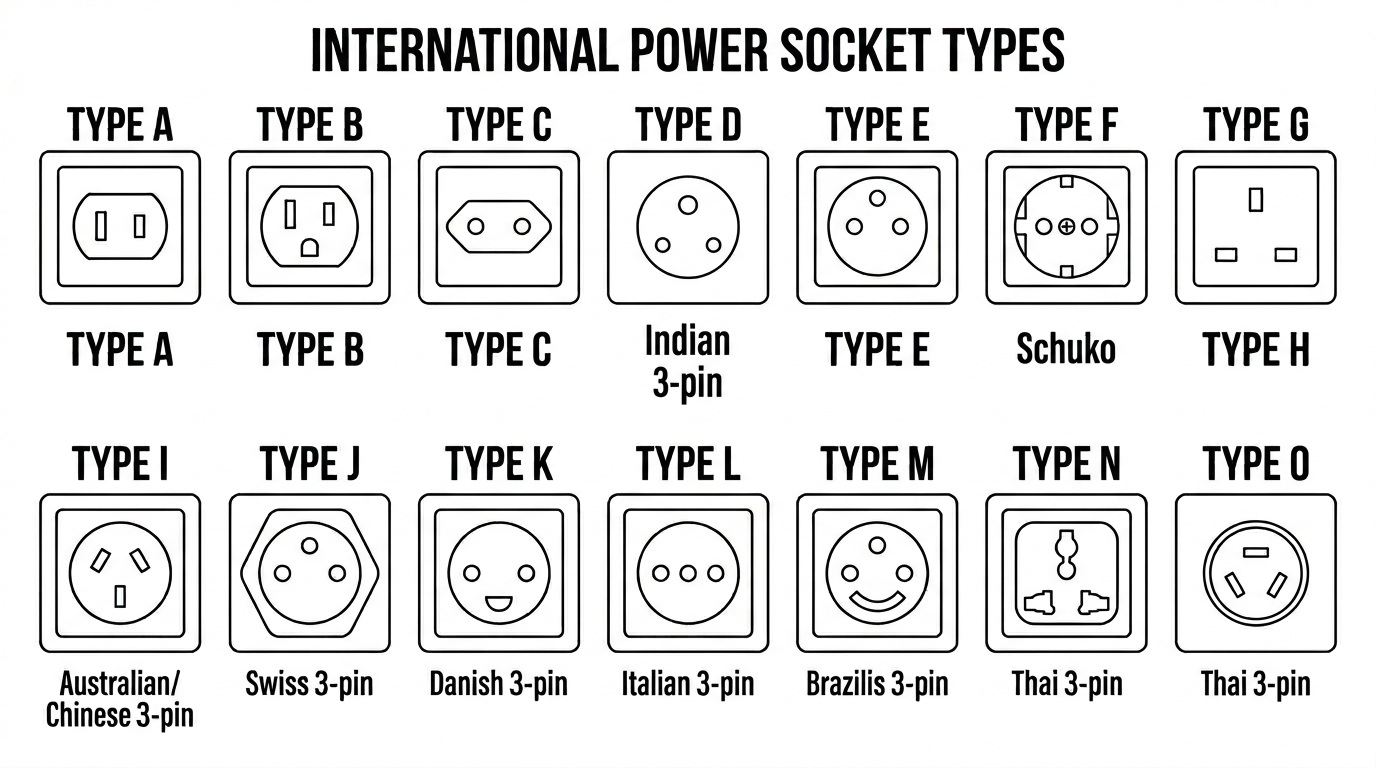
Tipping
Tipping is appreciated but not always mandatory. In restaurants, a 10% service charge may be included; if not, leaving 10-15% is customary. For tour guides and porters (especially on treks like the Inca Trail), tipping is expected and forms a significant part of their income. Round up taxi fares.
SIM / Data
Purchasing a local SIM card is recommended for data and calls. Major providers are Claro, Movistar, and Entel. You can buy them at Jorge Chávez International Airport in Lima or official stores in any major city. Ensure your phone is unlocked.
Visa
Many nationalities, including citizens of the USA, Canada, UK, Australia, and most European countries, do not require a visa for tourist stays of up to 90 or 183 days. Always check the latest visa requirements for your specific nationality before traveling.
Driving Side
Right
How do you get around Peru?
Public Transport
Public transportation varies by city. In Lima, the Metropolitano (Bus Rapid Transit) and a growing metro system are efficient. In most cities, local buses (combis and colectivos) are cheap but can be crowded. Taxis are widely available; always agree on a price before getting in or ensure the meter is used.
Ride-hailing
- Uber
- Cabify
- Didi
Intercity
Long-distance buses are the most common and economical way to travel between cities, with several reputable companies offering comfortable services. For quicker travel, domestic flights are available between major cities (Lima, Cusco, Arequipa, Iquitos, etc.) via airlines like LATAM, Sky Airline, and Viva Air.
Culture and customs
Customs
- Greetings are important: use 'Buenos días/tardes/noches' (good morning/afternoon/evening). A handshake is common, while close friends might exchange a single kiss on the cheek (right to right).
- Respect elders and authority figures.
- Punctuality is often flexible, especially in social settings, but try to be on time for formal appointments or tours.
- When offered food or drink, it's polite to accept. Refusing multiple times might be seen as impolite.
Dress Code
Dress is generally casual and comfortable for daily activities. In cities, locals tend to dress smartly. For visiting churches or religious sites, it's respectful to dress modestly, covering shoulders and knees. Layered clothing is essential due to varying climates, especially in the highlands.
Religious Etiquette
Peru is predominantly Roman Catholic. When visiting churches or religious sites, be respectful: speak quietly, remove hats, and avoid disruptive behavior. During religious processions or festivals, observe respectfully from a distance.
Common Phrases
- HolaHello
- GraciasThank you
- Por favorPlease
- ¿Cuánto cuesta?How much does it cost?
- ¿Dónde está...?Where is...?
- No entiendoI don't understand
- DisculpeExcuse me / Sorry
Highlights
Sports & Recreation
Fútbol (Soccer)
Fútbol is by far the most popular sport in Peru, with immense national passion, especially when the national team plays. Beyond fútbol, hiking and trekking (like the Inca Trail to Machu Picchu) are extremely popular recreational activities. Surfing is prominent along the coast, and adventure sports like whitewater rafting, mountain biking, and paragliding are gaining popularity in various regions.
National Festivals
- June 24th
Inti Raymi (Festival of the Sun)
An ancient Inca religious festival in Cusco celebrating the winter solstice and the Inca sun god, Inti. It features vibrant reenactments, traditional music, and dance.
- July 28th-29th
Fiestas Patrias (Independence Day)
Peru's Independence Day is a major national holiday celebrated with parades, military processions, cultural events, and festivities across the country, especially in Lima.
- Variable (March/April)
Semana Santa (Holy Week)
A significant religious observance leading up to Easter, celebrated with solemn processions, masses, and traditional rituals throughout the country, most notably in Ayacucho and Cusco.
- February (first two weeks)
Virgen de la Candelaria
A massive religious and cultural festival in Puno, honoring the patron saint of the city. It features elaborate parades, traditional dances (like the diablada), music, and colorful costumes.
Cities in Peru
Planning Peru?
Try a ready-made trip first.
Open the demo trip with no sign-up: Barcelona on your own, or Rome, Florence and Venice as a group. Then plan Peru your way.