
Seychelles Travel Guide. Essential travel information — emergency numbers, safety, currency, visas, customs and getting around.
Emergency Numbers
How safe is Seychelles?
- Very Safe
- Generally Safe
- Exercise Caution
- High Risk
- Dangerous
Seychelles is one of the safest destinations in Africa and the Indian Ocean, with low rates of violent crime and a stable, democratic government. The main risks are petty crime such as opportunistic theft (bag-snatching, break-ins to cars and unoccupied accommodation), occasional burglaries, and natural hazards in the sea. Most visits are completely trouble-free, but normal precautions with valuables are sensible, especially on quieter beaches and after dark.
Advisories (8)
Scams
- Taxi overcharging: not all taxis use meters reliably and some quote inflated fares to tourists. Agree on a price before getting in or insist on the meter, and use hotel-arranged taxis where possible.
- Inflated 'guide' or tour fees: freelance individuals near beaches, ferry terminals, or attractions may offer guiding or boat trips at marked-up prices. Book excursions through licensed operators or your hotel.
- Car-rental and excursion add-ons: read rental agreements carefully for hidden insurance or fuel charges, and photograph any existing damage to the vehicle before driving off.
- Petty opportunistic theft: valuables left unattended on beaches, in unlocked rental cars, or in open ground-floor rooms can be stolen; use hotel safes and don't leave belongings unwatched.
Warnings
- Strong ocean currents and undertows affect some beaches (notably parts of Beau Vallon and the southwest coast in the southeast-monsoon season); heed local advice, swim where lifeguarded, and don't underestimate the surf.
- Petty theft from beaches, parked cars, and self-catering villas does occur; lock up and use safes.
- Sun, heat, and tropical disease basics: high UV year-round, and occasional mosquito-borne illness (dengue) means insect repellent and sun protection are advisable.
- Seychelles waters are generally safe, but the wider western Indian Ocean has a residual piracy history far offshore; this does not affect normal tourism around the inner islands.
Practical Info
Currency
Seychellois rupee (SCR)
Power Plug
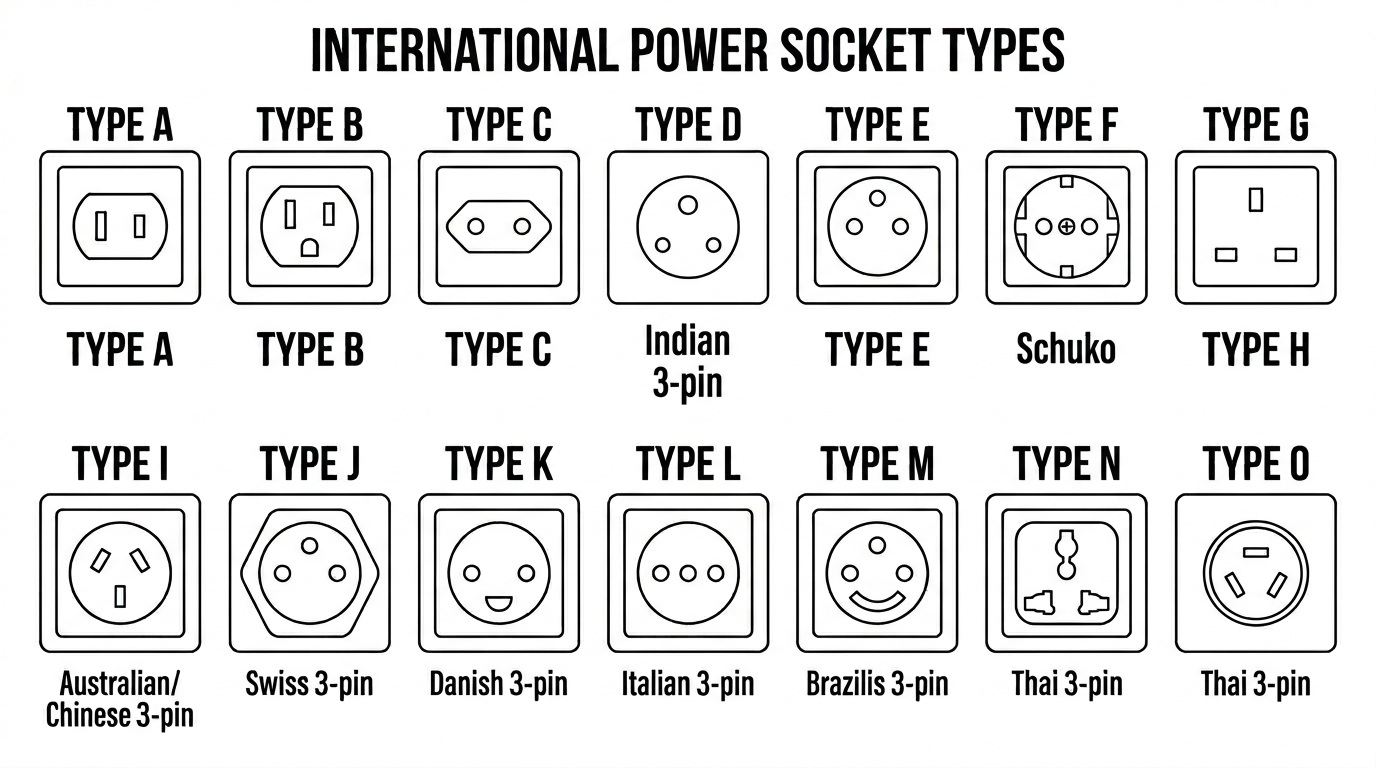
Type G
Type G (British three-pin), 240V, 50Hz
See the sockets
Tipping
Tipping is not obligatory and not deeply ingrained, as many resorts and restaurants add a service charge. Rounding up the bill or leaving 5-10% for good service in restaurants is appreciated. Small tips for hotel porters, guides, and drivers are welcome but never expected.
SIM / Data
The two main mobile operators are Airtel and Cable & Wireless (Sure). Local prepaid tourist SIMs with data are sold at the airport on arrival and in Victoria; bring your passport to register. Coverage is good on Mahe, Praslin, and La Digue but patchy on remote outer islands. Resort and cafe Wi-Fi is common but can be slow.
Visa
Seychelles does not issue traditional visas. Visitors of all nationalities are granted a Visitor's Permit on arrival, valid for up to 30 days and extendable up to a maximum of 3 months (and further on application). You must hold a passport valid for the duration of stay, a return/onward ticket, confirmed accommodation, and sufficient funds. Since 2023 all arrivals must complete the online Seychelles Travel Authorisation before departure. Check current official requirements before travel.
Driving Side
Left
How do you get around Seychelles?
Public Transport
Mahe and Praslin have an inexpensive, extensive public bus network run by the Seychelles Public Transport Corporation (SPTC). Buses are the cheapest way to get around, run roughly from early morning to evening, and are paid in cash to the driver. Service can be infrequent on side routes, and there is no rail system.
Ride-hailing
- No Uber, Bolt, or Grab operate in Seychelles
- Taxis are metered/fixed-fare and booked by phone or hotel; some local taxi WhatsApp/booking numbers exist
- Self-drive car hire is the most flexible option on Mahe and Praslin
Intercity
Travel between the main islands is by ferry or air. The Cat Cocos ferry links Mahe, Praslin, and La Digue several times daily; on La Digue most people get around by bicycle or ox-cart taxi as cars are limited. Air Seychelles operates frequent short domestic flights between Mahe and Praslin (about 15 minutes), and small charter flights and helicopters reach outer islands and private-island resorts.
Culture and customs
Customs
- Greetings matter: a smile and a handshake (or a simple 'Bonzour' / 'Bonn apremidi') are expected when entering a shop, restaurant, or someone's home. Seychellois are generally warm and unhurried, so jumping straight to business is seen as brusque.
- Life runs on 'island time'. Buses, services, and social plans can be relaxed about punctuality; patience and good humor are appreciated, while open frustration is considered rude.
- Modesty away from the beach. Swimwear is fine on the sand and at resorts, but cover up (shorts and a top) when visiting villages, shops, markets, churches, or government offices.
- Respect the environment fiercely. The Seychelles protects its endemic wildlife and reefs; never touch or stand on coral, don't take shells, sand, or coco de mer nuts without a permit, and follow marine-park rules.
- Food is shared and unrushed. Creole meals (curries, grilled fish, rice) are a social affair; accepting offered food or a drink is polite, and trying the local fare is warmly received.
- Photography courtesy: ask before photographing people, especially in villages, and avoid photographing police, the port, or military installations.
Dress Code
Light, breathable resort and beach wear suits the tropical climate year-round. Beachwear and swimsuits belong on the beach and at resorts only; topless and nude sunbathing are not permitted. When visiting towns, churches, markets, or official buildings, wear modest clothing that covers shoulders and knees. Smart-casual is the norm even at upscale restaurants; formal attire is rarely needed.
Religious Etiquette
Seychelles is predominantly Roman Catholic, with Anglican, Hindu, and Muslim minorities. Churches are active community centers; dress modestly (cover shoulders and knees), remove hats, keep quiet, and avoid disrupting Mass when visiting. At the Hindu temple (Arul Mihu Navasakthi Vinayagar) in Victoria or any mosque, remove your shoes and dress conservatively. Always ask permission before photographing inside places of worship or during ceremonies.
Common Phrases
- BonzourGood morning / Hello
- MersiThank you
- SilvouplePlease
- Konman sava?How are you?
- Mon byen, mersiI'm fine, thank you
- OrevwarGoodbye
Highlights
Sports & Recreation
Football (soccer)
Football is the most popular team sport, with a national league and an enthusiastic following of European clubs. Given the island geography, water-based activities dominate recreation: snorkeling, scuba diving, big-game and sport fishing, sailing, kayaking, and windsurfing are central to local life and tourism. Hiking the granite peaks and nature trails of Morne Seychellois National Park is popular, and the country punches above its weight in sport fishing and sailing events. Basketball, volleyball, and athletics also have a strong local presence.
National Festivals
- June 18
National Day / Constitution Day
Marks the adoption of the 1993 constitution. The period around mid-to-late June features national celebrations, parades, music, and cultural events; June 29 is also celebrated as Independence Day, commemorating independence from Britain in 1976.
- Late October
Festival Kreol (Creole Festival)
A week-long celebration of Seychellois Creole culture held annually in October, with music, sega and moutya dance, Creole cuisine, art, theatre, and language events across Mahe and the other islands. It is the country's biggest cultural festival.
- Late April
Carnaval International de Victoria
A vibrant international carnival in the capital, Victoria, bringing together carnival troupes and cultures from around the world with colorful parades, floats, and street performances (held in some years).
- August 15
Feast of the Assumption (La Digue Festival)
A major Catholic feast day especially celebrated on La Digue, blending religious processions with community festivities, reflecting the islands' strong Roman Catholic heritage.
Planning Seychelles?
Try a ready-made trip first.
Open the demo trip with no sign-up: Barcelona on your own, or Rome, Florence and Venice as a group. Then plan Seychelles your way.