
Spain uses the Euro, type F and C plugs and 112 for emergencies. Spain is generally a safe country for tourists.
Emergency Numbers
How safe is Spain?
- Very Safe
- Generally Safe
- Exercise Caution
- High Risk
- Dangerous
Spain is generally a safe country for tourists. However, petty crime, especially pickpocketing and bag snatching, is prevalent in major tourist areas, crowded public transport, and popular attractions in cities like Barcelona, Madrid, and Seville. Remain vigilant and aware of your surroundings.
Advisories (7)
Scams
- Pickpocketing in crowded areas (e.g., Las Ramblas, metro, plazas).
- The 'found' wallet scam where a stranger drops a wallet and then accuses you of stealing it.
- Fake petition scams where individuals distract you while accomplices pickpocket you.
- Overpriced or unwanted 'gifts' (e.g., rosemary, roses) forcefully given to tourists followed by demands for money.
Warnings
- Be highly cautious of your belongings in crowded tourist spots and on public transport.
- Avoid walking alone in poorly lit or unfamiliar areas late at night.
- Keep valuables out of sight and do not display large amounts of cash or expensive electronics.
Practical Info
Currency
Euro (EUR)
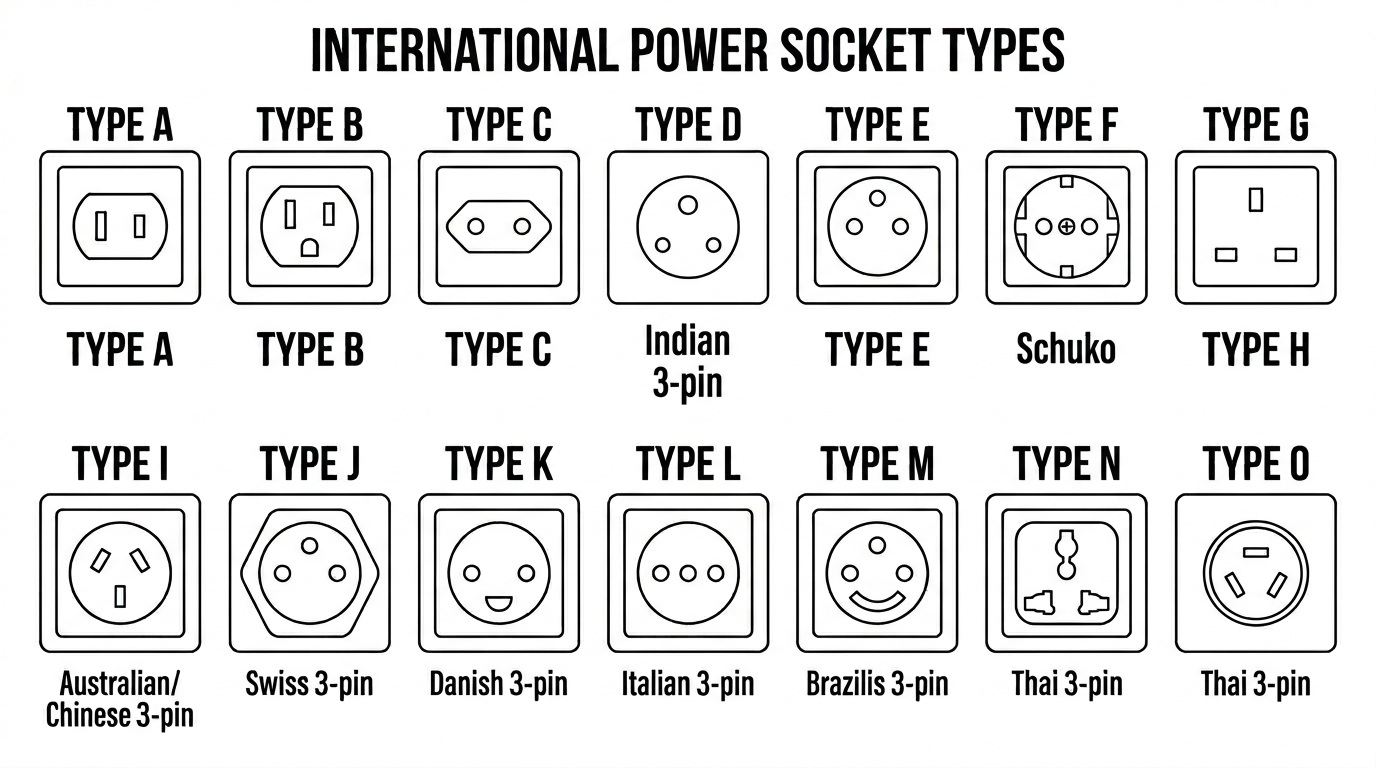
Power Plug
Type F and C
Type F (Schuko) and Type C (Europlug). Voltage is 230V, frequency 50Hz.
See the sockets
Tipping
Tipping is not mandatory in Spain but is appreciated for good service. In restaurants, rounding up the bill or leaving 5-10% is common. For taxis, a small amount or rounding up is sufficient. For exceptional service, a bit more is fine.
SIM / Data
Prepaid SIM cards are readily available from major providers like Movistar, Vodafone, Orange, and Yoigo at airports, phone shops, and sometimes even supermarkets. eSIMs are also an option for compatible devices. Ensure your phone is unlocked.
Visa
Spain is part of the Schengen Area. Citizens of many countries can enter for up to 90 days within a 180-day period without a visa for tourism or business. For others, a Schengen visa is required. Always check specific visa requirements based on your nationality prior to travel.
Driving Side
Right
How do you get around Spain?
Public Transport
Spain has an excellent and efficient public transport system. Major cities like Madrid, Barcelona, Valencia, and Seville have extensive metro networks, buses, and trams. These are generally affordable, clean, and punctual, making urban travel easy. Regional buses and trains connect smaller towns.
Ride-hailing
- Uber
- Cabify
Intercity
Intercity travel is highly developed. Renfe, the national rail operator, runs a comprehensive network including high-speed trains (AVE) connecting major cities (e.g., Madrid-Barcelona, Madrid-Seville) quickly and comfortably. Regular trains and an extensive network of intercity buses (e.g., ALSA) offer more economical options and reach areas not served by rail.
Culture and customs
Customs
- Greetings often involve two kisses on the cheek (starting with the right) between women, or a woman and a man. Men usually shake hands.
- Dinner is typically eaten late, often between 9 PM and 11 PM. Lunch is also a substantial meal, often around 2 PM to 3 PM.
- The 'siesta' tradition is less common for workers in major cities, but many smaller shops may close in the afternoon.
- Family is very important in Spanish culture, and social life is vibrant and often loud.
- Direct eye contact is common and a sign of sincerity.
Dress Code
Casual dress is acceptable for most daytime activities. For evenings, especially when dining out or attending cultural events, smart-casual attire is preferred. When visiting religious sites, it's respectful to dress modestly, covering shoulders and knees.
Religious Etiquette
Spain is predominantly Roman Catholic. When visiting churches or cathedrals, speak softly, remove hats, and avoid flash photography during services. Dress modestly (shoulders and knees covered) as a sign of respect.
Common Phrases
- HolaHello
- GraciasThank you
- Por favorPlease
- AdiósGoodbye
- ¿Cuánto cuesta?How much does it cost?
- ¿Habla inglés?Do you speak English?
Highlights
Sports & Recreation
Football (soccer)
Football is a national passion, almost a religion in Spain. The country boasts some of the world's most successful clubs (Real Madrid, FC Barcelona) and a highly competitive league (La Liga). Matches are major social events, drawing large crowds and creating an electric atmosphere. Other popular sports include basketball, cycling, tennis, and bullfighting (though controversial, it's a deep-rooted cultural tradition in some regions).
National Festivals
- Varies (March/April)
Semana Santa (Holy Week)
A deeply religious festival observed with elaborate processions, particularly famous in Seville, Granada, and Málaga, featuring penitents, floats, and somber music.
- March 15-19
Las Fallas (Valencia)
A unique festival in Valencia where giant papier-mâché and wooden sculptures (fallas) are displayed throughout the city, culminating in their spectacular burning (cremà) on the final night, accompanied by fireworks, music, and street parties.
- July 6-14
San Fermín (Pamplona)
Known worldwide for the 'Running of the Bulls' (Encierro), where participants run in front of a small group of bulls. The festival also includes parades, traditional music, and general revelry.
- Last Wednesday of August
La Tomatina (Buñol)
A quirky and famous food fight festival held in the town of Buñol, near Valencia, where participants throw overripe tomatoes at each other purely for fun.
- October 12
Día de la Hispanidad (National Day)
Spain's National Day, commemorating the arrival of Christopher Columbus in the Americas. Celebrated with military parades in Madrid and various cultural events across the country.
Cities in Spain
Planning Spain?
The solo demo is in Barcelona.
Open the demo trip with no sign-up: Barcelona on your own, or Rome, Florence and Venice as a group. Then plan Spain your way.