
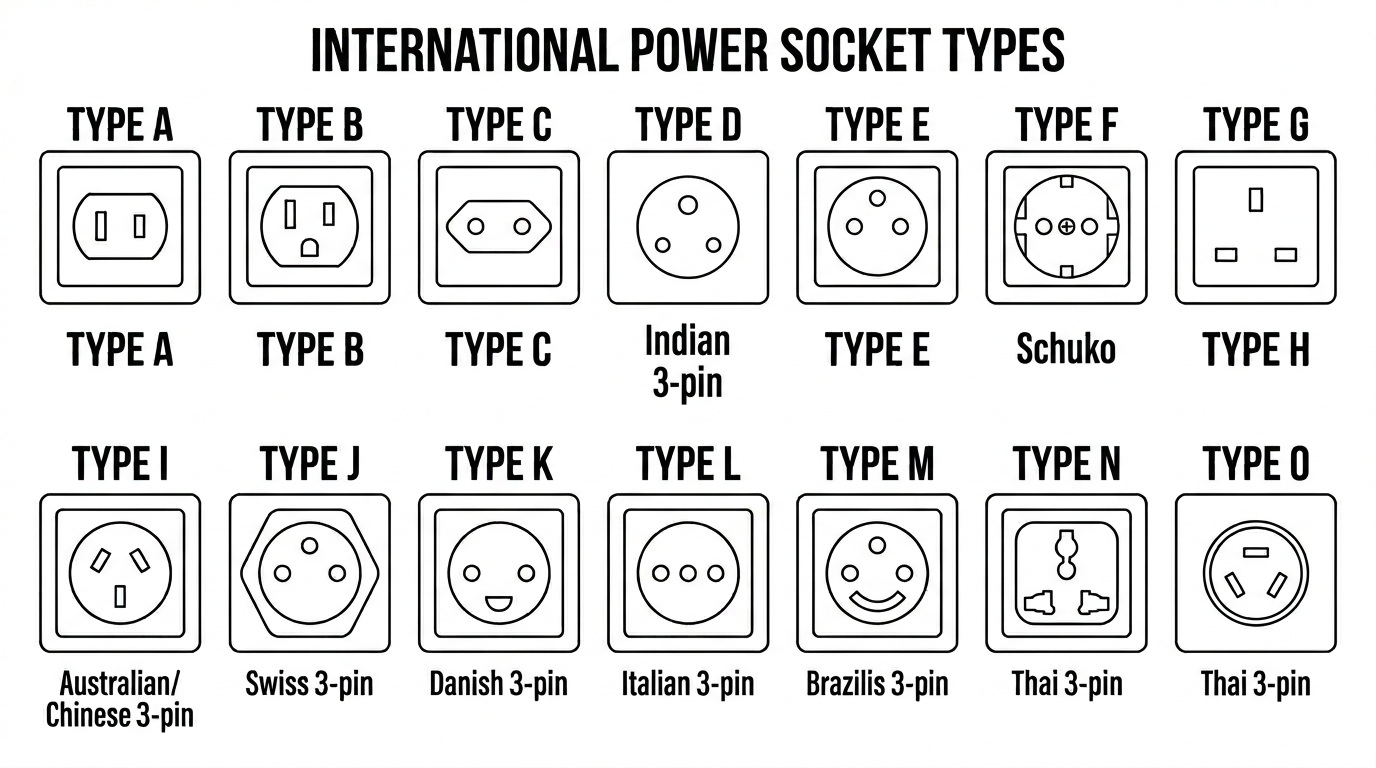
Zambia uses the Zambian Kwacha, type C, D, and G plugs and 999 for emergencies. Zambia is one of the more stable, peaceful, and welcoming countries in the region, and most visits are trouble-free.
Emergency Numbers
How safe is Zambia?
- Very Safe
- Generally Safe
- Exercise Caution
- High Risk
- Dangerous
Zambia is one of the more stable, peaceful, and welcoming countries in the region, and most visits are trouble-free. The main risks are petty crime (pickpocketing, bag-snatching, and theft in markets, bus terminals, and crowded parts of Lusaka and Livingstone) and opportunistic scams targeting tourists. Violent crime against travelers is uncommon but not unheard of, so avoid walking alone after dark, keep valuables out of sight, and use hotel safes. Road safety is the most underrated danger: poorly lit roads, reckless driving, potholes, and wandering livestock make night driving genuinely hazardous. On safari, follow your guide's instructions strictly around wild animals. The overall picture warrants normal-to-heightened everyday caution rather than alarm.
Advisories (8)
Scams
- Fake 'wildlife officials', 'fixers', or unofficial guides at Victoria Falls, border posts, and craft markets who offer to help with formalities, parking, or tours and then demand inflated fees. Use only licensed operators and your lodge's recommendations.
- Currency and change scams: street money-changers offering great rates may short-change you or pass old/invalid notes. Change money only at banks, bureaux de change, or your hotel, and count notes carefully.
- Taxi overcharging: unmetered taxis frequently quote tourists several times the local fare. Always agree the price before getting in, or use a ride-hailing app for a transparent fare.
- Overland-border and visa touts who insist you need to pay 'extra' fees or use their services to cross. Pay official visa fees only at the official counter and get a receipt.
Warnings
- Exercise increased caution near the border with the Democratic Republic of the Congo (DRC), where armed criminal gangs operate and unexploded landmines remain in some remote border areas.
- Avoid political demonstrations and large gatherings, which can turn confrontational with little warning, particularly around election periods.
- Petty and opportunistic crime is elevated in central Lusaka, around bus stations, and in crowded tourist zones in Livingstone; stay alert and keep valuables secured.
- Night driving on intercity roads is dangerous due to unlit vehicles, potholes, livestock, and a high accident rate; travel during daylight hours.
Practical Info
Currency
Zambian Kwacha (ZMW)
Power Plug
Type C, D, and G
Types C, D and G; 230V, 50Hz. Type G (the British three-pin) is the official standard, but older Type D sockets are still common, so bring a UK-style adapter.
See the sockets
Tipping
Tipping is appreciated but not deeply ingrained outside tourism. In restaurants, around 10 percent is normal if no service charge is included. On safari, tipping is expected and meaningful: budget roughly USD 10-20 per guest per day for your guide and a similar amount for general lodge staff (often via a communal tip box). Round up taxi fares and tip porters a small amount.
SIM / Data
Buy a local prepaid SIM from MTN, Airtel, or Zamtel; MTN and Airtel have the widest coverage. SIM registration is mandatory, so bring your passport. SIMs and data bundles are cheap and sold at airport kiosks, official shops, and street vendors. Coverage is solid in cities and along main roads but patchy to nonexistent in remote national parks, where lodges may offer limited Wi-Fi. Buy data bundles rather than relying on pay-as-you-go rates.
Visa
Many nationalities (including most Western travelers) can obtain a tourist visa on arrival at international airports and major land borders, or apply in advance through Zambia's official eVisa portal; some nationalities are visa-exempt and others must apply ahead, so check your category before travel. Passports should be valid for at least six months with blank pages, and you may be asked for proof of onward/return travel. If you plan to also visit Zimbabwe (and day-trip into Botswana via Kazungula), the KAZA UniVisa (around USD 50, valid 30 days for multiple entries between the two countries) is excellent value for seeing both sides of Victoria Falls. Always verify current rules with an official Zambian source before departure.
Driving Side
Left
How do you get around Zambia?
Public Transport
Within cities, shared minibuses are the cheapest way around, following set routes and leaving when full; they are crowded and have no fixed timetable. Shared taxis and 'call cabs' are common but unmetered, so always agree the fare before getting in. There is no metro or tram system. In Lusaka and Livingstone, app-based ride-hailing is increasingly the easiest and safest option for visitors.
Ride-hailing
- Yango
- inDrive
- UlendoLusaka taxi app
Intercity
Long-distance buses are the backbone of intercity travel, with operators such as Power Tools, Mazhandu Family Bus, and Shalom connecting Lusaka to Livingstone, Kitwe, Ndola, Chipata, and beyond from Lusaka Intercity Bus Terminus. Roads on main corridors are paved but can be rough, and night driving is dangerous (potholes, unlit trucks, livestock) and best avoided. The TAZARA railway runs from Kapiri Mposhi toward Tanzania but is slow and unreliable. For the long distances between safari parks (South Luangwa, Lower Zambezi, Kafue), domestic flights and charter planes via Proflight Zambia save days of driving.
Culture and customs
Customs
- Greetings are important and unhurried. Take time to say hello and ask about someone's health and family before getting to business; rushing straight to the point can seem rude.
- Use your right hand (or both hands) to give and receive money, gifts, and food. The left hand is traditionally considered unclean. Often people support the right forearm with the left hand as a sign of respect when receiving something.
- A gentle, lingering handshake is the standard greeting. In some traditional settings, people clap softly cupped hands or perform a light bow/curtsy when greeting chiefs and elders.
- Respect for elders and traditional chiefs (the 'litunga', 'mwata' and others) runs deep. Defer to older people, lower your eyes slightly, and never address a chief casually.
- Zambia is known as a peaceful, friendly nation, and 'mwana wandi' (warm, communal hospitality) is a point of national pride. Modesty in speech and avoiding public displays of anger are valued; staying calm and smiling goes a long way.
- Always ask before photographing people, and never photograph government buildings, military or police installations, the State House, airports, or bridges (including the Victoria Falls bridge from certain angles), as this can lead to detention.
Dress Code
Dress is generally conservative and neat, especially away from safari lodges. In towns and villages, women should favor skirts or dresses covering the knees; both sexes should avoid skimpy or revealing clothing, which can attract disapproval. Lightweight, breathable clothing in neutral colors works well on safari (avoid bright white and dark blue, which attracts tsetse flies). Bring a warm layer for chilly morning game drives in the dry season (May to August). Modest dress is expected at churches and in rural communities.
Religious Etiquette
Zambia is constitutionally declared a Christian nation, and the large majority of people are practicing Christians, alongside small Muslim, Hindu, and traditional-belief communities. Sundays are widely observed for church, and faith is woven into everyday life. Dress modestly when visiting a church, remove hats indoors, and be respectful during the long, lively services. Avoid scheduling business or noisy activities during Sunday morning worship. Traditional spiritual beliefs and ancestral ceremonies are also respected; observe quietly and ask permission before photographing rituals.
Common Phrases
- Muli shani? (Bemba)How are you?
- Bwino, natotela (Bemba)Fine, thank you.
- Muli bwanji? (Nyanja)How are you? (greeting)
- Zikomo (Nyanja)Thank you / excuse me
- Nichiga? / Ni zingati? (Nyanja)How much is it?
- Tionana / Tsalani bwinoSee you later / Stay well (goodbye)
Highlights
Sports & Recreation
Football (soccer)
Football is by far the national passion. The men's national team, the Chipolopolo ('Copper Bullets'), is a source of huge pride after their emotional 2012 Africa Cup of Nations victory, won in Libreville, Gabon, near the site of the 1993 air disaster that killed most of the national squad. The women's national team, the Copper Queens, has also become a celebrated trailblazer at the World Cup and Olympics. Locals follow English Premier League clubs fervently, and you'll find people glued to matches in bars across the country. Beyond football, boxing has produced national heroes, and Zambia's spectacular landscapes drive an adventure-sport scene around Victoria Falls, including white-water rafting on the Zambezi, bungee jumping, and the famous Devil's Pool, alongside world-class walking safaris pioneered in South Luangwa National Park.
National Festivals
- Late February (24 Feb)
Nc'wala Ceremony
The Ngoni people's first-fruits thanksgiving near Chipata in the Eastern Province. The paramount chief tastes the season's first produce, warriors perform thunderous war dances, and a bull is ceremonially slaughtered to honor the harvest.
- March or April (around Easter, water-level dependent)
Kuomboka Ceremony
One of Africa's great spectacles, when the Lozi king (Litunga) of the Western Province moves from his flooded dry-season palace at Lealui to higher ground at Limulunga aboard the 'Nalikwanda', a huge black-and-white royal barge, paddled by dozens of drummers and oarsmen.
- Last week of August
Likumbi Lya Mize
A five-day Luvale cultural festival in Zambezi district, North Western Province, centered on the masked 'Makishi' dancers who represent ancestral spirits, marking the return of initiated boys to the community.
- 24 October
Independence Day
National celebration of Zambia's independence from Britain in 1964, marked by parades, music, traditional dancing, and festivities across the country.
Planning Zambia?
Try a ready-made trip first.
Open the demo trip with no sign-up: Barcelona on your own, or Rome, Florence and Venice as a group. Then plan Zambia your way.