
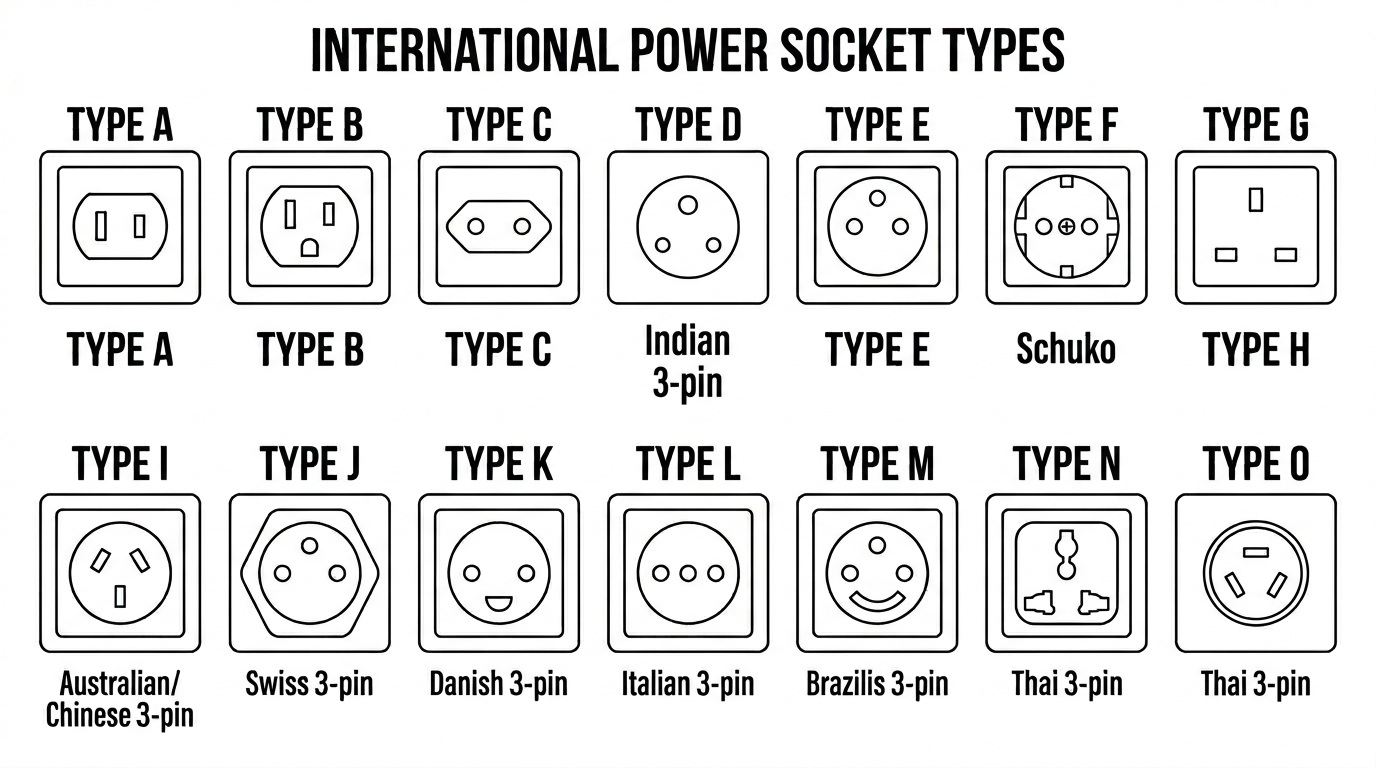
Denmark uses the Danish Krone, type C, F, and K plugs and 112 for emergencies. Denmark is considered one of the safest countries in the world with very low crime rates.
Emergency Numbers
How safe is Denmark?
- Very Safe
- Generally Safe
- Exercise Caution
- High Risk
- Dangerous
Denmark is considered one of the safest countries in the world with very low crime rates. Most visits are trouble-free.
Advisories (4)
Scams
- Minor pickpocketing can occur in crowded tourist areas and public transport, particularly in Copenhagen.
- Be wary of ATM skimming devices, though rare, always check card readers.
Warnings
- Exercise normal precautions as you would in any major city.
- Be aware of cyclists, as they have right-of-way in many areas and bike lanes are extensive.
Practical Info
Currency
Danish Krone (DKK)
Power Plug
Type C, F, and K
Type C, F, K
See the sockets
Tipping
Tipping is not obligatory in Denmark as service charges are included in prices. However, rounding up the bill or leaving 5-10% for exceptional service in restaurants or taxis is appreciated.
SIM / Data
Local SIM cards are readily available from providers like TDC, Telenor, and Telia at airports, convenience stores, and dedicated shops. eSIM options are also common for travelers with compatible phones. Data packages are generally affordable.
Visa
Denmark is part of the Schengen Area. Citizens of many countries can enter for up to 90 days within a 180-day period without a visa. Check specific visa requirements based on your nationality well in advance of travel.
Driving Side
Right
How do you get around Denmark?
Public Transport
Denmark boasts an excellent and efficient public transport system, including trains (DSB), buses, and a metro system in Copenhagen. The Rejsekort (travel card) is convenient for seamless travel across different modes and regions. Tickets can also be purchased via apps or at stations.
Ride-hailing
- Freenowformerly MyTaxi
Intercity
Intercity travel is primarily done by train (DSB), which offers comfortable and reliable connections between major cities and towns. Buses also provide good coverage, especially for routes not served by train. Car rental is an option for exploring more remote areas.
Culture and customs
Customs
- Punctuality is highly valued in Denmark, whether for social or business meetings.
- Hygge (pronounced 'hoo-gah') is a core concept, emphasizing coziness, comfort, and well-being. Embrace it!
- Danes tend to be direct in communication, which should not be mistaken for rudeness.
- It is customary to remove your shoes when entering someone's home.
Dress Code
Dress is generally smart casual and practical. Layers are recommended due to variable weather. Danes appreciate understated elegance.
Religious Etiquette
While Denmark has a state church (Evangelical Lutheran), society is largely secular. When visiting churches, speak quietly, dress respectfully, and be mindful of any ongoing services.
Common Phrases
- HejHello/Hi
- TakThank you
- UndskyldExcuse me/Sorry
- JaYes
- NejNo
- FarvelGoodbye
- Taler du engelsk?Do you speak English?
Highlights
Sports & Recreation
Football (soccer)
Football is the most popular spectator sport. However, cycling is deeply ingrained in Danish culture, both as a sport and a primary mode of transport. Handball is also very popular, and outdoor activities like running, sailing, and swimming are common.
National Festivals
- February (7 weeks before Easter)
Fastelavn
A carnival-like tradition often referred to as 'Nordic Halloween,' where children dress up in costumes and hit a barrel (fastelavnsris) filled with candy.
- June 23
Sankt Hans Aften (Midsummer's Eve)
Celebrated with bonfires, singing, and community gatherings across the country to mark the longest day of the year.
- Early July
Copenhagen Jazz Festival
One of Europe's most important international jazz events, featuring performances in various venues throughout Copenhagen.
- Late June/Early July
Roskilde Festival
One of the largest music festivals in Europe, known for its diverse lineup of international artists and strong focus on sustainability.
- December
Christmas (Jul)
A month-long celebration with festive decorations, Christmas markets, traditional foods, and family gatherings.
Cities in Denmark
Planning Denmark?
Try a ready-made trip first.
Open the demo trip with no sign-up: Barcelona on your own, or Rome, Florence and Venice as a group. Then plan Denmark your way.