
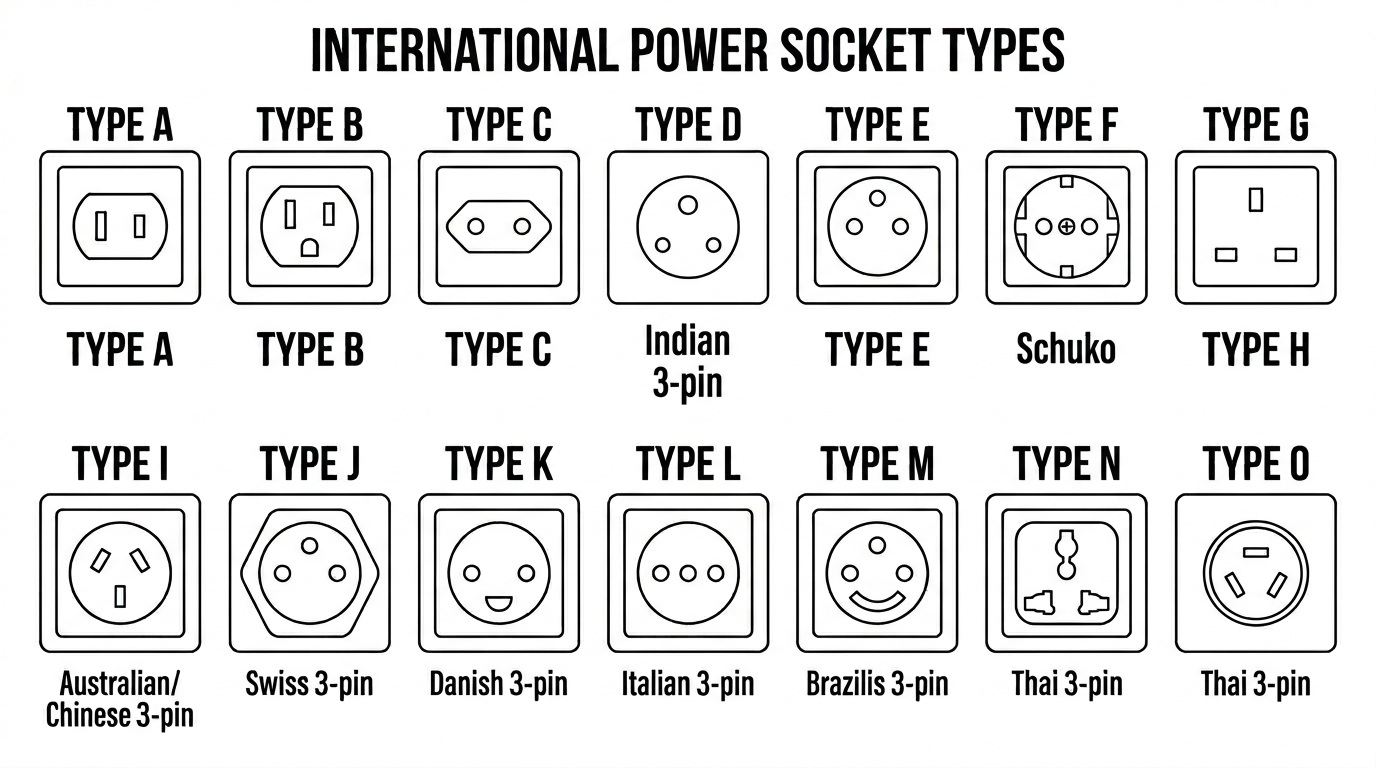
Italy uses the Euro, type F and L plugs and 112 for emergencies. Italy is generally a safe country for tourists.
Emergency Numbers
How safe is Italy?
- Very Safe
- Generally Safe
- Exercise Caution
- High Risk
- Dangerous
Italy is generally a safe country for tourists. However, petty crime, especially pickpocketing and bag snatching, is common in crowded tourist areas, major cities (like Rome, Florence, Milan, Naples), and on public transportation. Be vigilant and take precautions.
Advisories (8)
Scams
- Pickpockets operating in crowded areas (e.g., train stations, famous landmarks, markets).
- Individuals offering 'help' with luggage or ticket machines, then demanding payment.
- Fake petitions or street artists who can be aggressive when asking for money.
- Overpriced or unlicensed taxi services, especially at airports or train stations.
Warnings
- Always keep an eye on your belongings, especially in tourist hotspots and on public transport.
- Be wary of unsolicited help or distractions from strangers.
- Use official taxis or ride-hailing apps when available and confirm fares beforehand.
- Carry copies of important documents and leave originals in a secure place.
Practical Info
Currency
Euro (EUR)
Power Plug
Type F and L
F and L (Type F is compatible with C and E, Type L is less common but exists)
See the sockets
Tipping
Tipping is not mandatory but appreciated for good service. For casual meals, rounding up the bill or leaving a few Euros is common. In restaurants, a 5-10% tip is customary if 'servizio' (service charge) is not already included. For coffee, a small coin (0.10-0.50 EUR) on the bar is common. No need to tip taxi drivers unless they provide exceptional service, then round up.
SIM / Data
Local SIM cards are readily available from major providers like TIM, Vodafone, and WindTre. You will need your passport for registration. Purchasing a prepaid tourist SIM with data is generally affordable and offers better connectivity than roaming.
Visa
Italy is part of the Schengen Area. Many nationalities can enter visa-free for up to 90 days within any 180-day period for tourism purposes. Check the specific visa requirements for your nationality before traveling.
Driving Side
Right
How do you get around Italy?
Public Transport
Italy has an extensive and efficient public transport system. Major cities have metro, bus, and tram networks. Trenitalia and Italo operate a comprehensive rail network, including high-speed trains (Frecce and ItaloTreno) connecting major cities like Rome, Florence, Milan, and Naples, as well as regional trains for smaller towns. Buses are also widely available for intercity and local travel.
Ride-hailing
- Uberlimited availability and services, primarily Uber Black in major cities
- Free Nowpopular in many cities, connecting users with licensed taxis
- IT Taxia local app for booking traditional taxis
Intercity
High-speed trains are the most popular and efficient way to travel between major Italian cities. Booking in advance, especially for high-speed routes, is recommended to secure better prices. Regional trains and intercity buses offer more economical options for shorter distances or smaller towns. Driving is possible, but navigating city centers can be challenging due to ZTLs (limited traffic zones) and parking difficulties. Car rentals are widely available at airports and major train stations.
Culture and customs
Customs
- Greet people with 'Buongiorno' (good morning/day) or 'Buonasera' (good evening) and 'Ciao' (hello/goodbye, informal).
- Dress respectfully, especially when visiting churches and religious sites (shoulders and knees covered).
- Punctuality can be flexible for social gatherings, but strive to be on time for formal appointments.
- Table manners are generally formal; keep hands visible above the table, and don't rest elbows on the table.
- Italians are passionate and expressive; don't be surprised by animated conversations and hand gestures.
Dress Code
Smart casual is generally acceptable. For visiting religious sites, modest attire covering shoulders and knees is required. Upscale restaurants or events may require more formal wear.
Religious Etiquette
When entering churches or other religious sites, ensure your shoulders and knees are covered. Hats should be removed. Maintain a respectful silence and avoid loud conversations or disruptive behavior. Photography may be restricted in certain areas.
Common Phrases
- CiaoHello / Goodbye (informal)
- BuongiornoGood morning / Good day
- BuonaseraGood evening
- GrazieThank you
- PregoYou're welcome / Please
- ScusiExcuse me (formal)
- Parla inglese?Do you speak English?
- Dov'è...?Where is...?
- Quanto costa?How much does it cost?
Highlights
Sports & Recreation
Football (Calcio)
Football is the most popular sport in Italy and is deeply ingrained in the national culture. Italians are incredibly passionate about their local and national teams. Cycling is also very popular, with events like the Giro d'Italia drawing significant attention. Other popular activities include skiing in the Alps, hiking, and water sports along the coast.
National Festivals
- January 6
Epifania (Epiphany / La Befana)
Marks the end of the Christmas season. Children receive gifts and sweets from La Befana, a friendly old witch.
- February/March (movable, before Lent)
Carnevale (Carnival)
A vibrant celebration with parades, masked balls, and elaborate costumes, especially famous in Venice and Viareggio.
- March/April (movable)
Pasqua (Easter)
A significant religious holiday with solemn processions and church services, followed by festive family meals.
- April 25
Festa della Liberazione (Liberation Day)
Commemorates the end of World War II and the fall of fascism in Italy, with parades and public ceremonies.
- June 2
Festa della Repubblica (Republic Day)
Celebrates the birth of the Italian Republic in 1946, with a large military parade in Rome and other public events.
- August 15
Ferragosto (Assumption Day)
A major summer holiday, often marked by family gatherings, beach trips, and public celebrations, particularly fireworks.
- November 1
Ognissanti (All Saints' Day)
A public holiday dedicated to honoring all saints, often a time for families to visit cemeteries.
Cities in Italy
Planning Italy?
The demo trip is already in Italy.
Rome, Florence and Venice — a ready-made trip you can open solo or as a group, with no sign-up.