
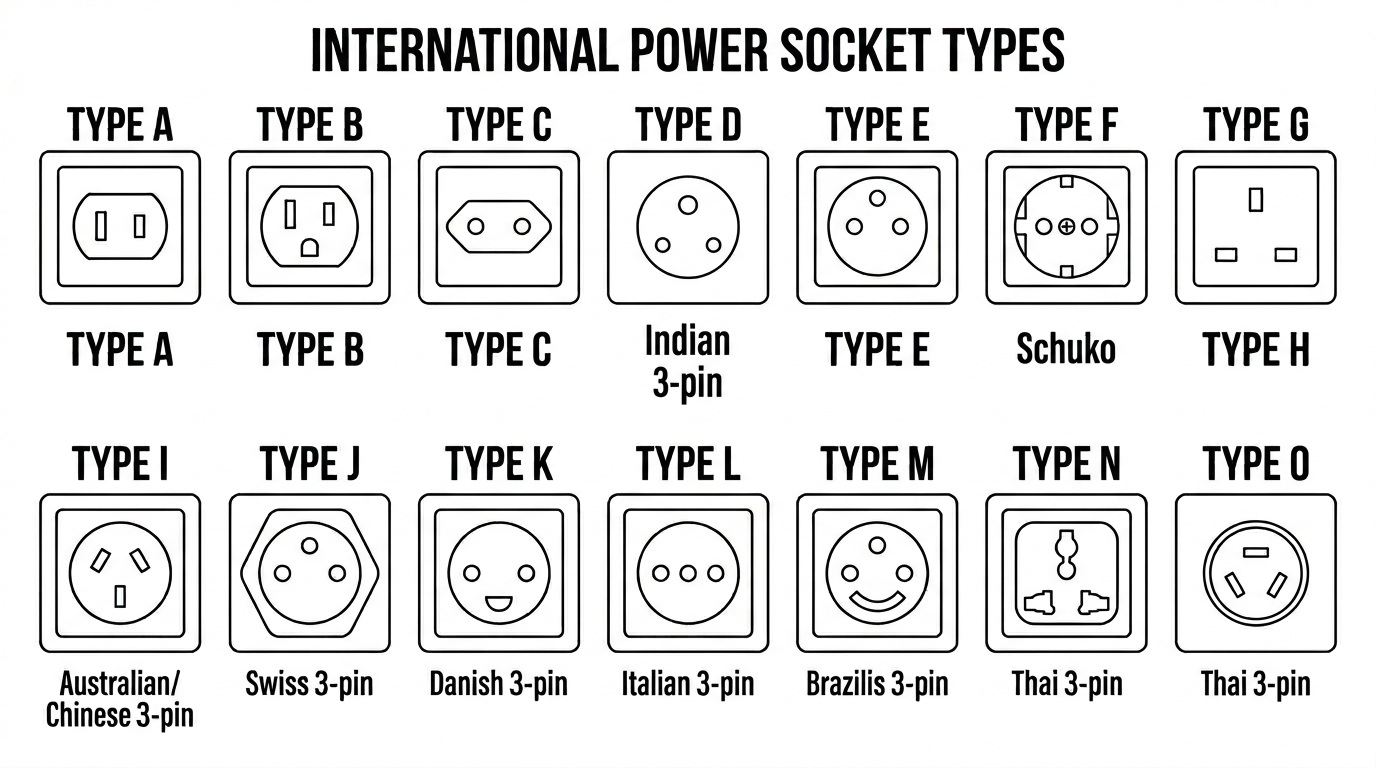
Japan uses the Japanese Yen, type A and B plugs and 110 for emergencies. Japan is renowned for its extremely low crime rate and high level of public safety.
Emergency Numbers
How safe is Japan?
- Very Safe
- Generally Safe
- Exercise Caution
- High Risk
- Dangerous
Japan is renowned for its extremely low crime rate and high level of public safety. People often feel comfortable walking alone at night, even in major cities. The society is generally polite and orderly. However, visitors should be aware of natural disasters.
Advisories (6)
Scams
- Rare instances of overcharging by taxis, especially late at night in entertainment districts. Always ensure the meter is used.
- Some bars or clubs in major entertainment areas might try to overcharge tourists. Be cautious of unsolicited invitations.
- Pickpocketing is rare but can occur in very crowded tourist spots or on packed public transport during rush hour.
Warnings
- Japan is prone to natural disasters including earthquakes, typhoons (especially from summer to autumn), and tsunamis. Stay informed via local news and official weather warnings.
- Volcanic activity occurs in certain regions; always check local advisories before visiting volcanic areas.
- In the event of a natural disaster, follow instructions from local authorities and hotel staff.
Practical Info
Currency
Japanese Yen (JPY)
Power Plug
Type A and B
Type A and B (two flat parallel pins, ungrounded, 100V, 50/60Hz)
See the sockets
Tipping
Tipping is not customary in Japan and can even be considered impolite or confusing. Excellent service is expected and included in the price.
SIM / Data
Purchasing a tourist SIM card or renting a pocket Wi-Fi device are popular options. Both can be acquired at international airports upon arrival or from major electronics stores. eSIMs are also increasingly available and convenient.
Visa
Many nationalities can enter Japan visa-free for short-term tourism (typically up to 90 days). Always check the latest visa requirements for your specific nationality before travel.
Driving Side
Left
How do you get around Japan?
Public Transport
Japan boasts an exceptionally efficient, punctual, and extensive public transport network, including trains (Shinkansen bullet trains, JR lines, private railways), subways, and buses. IC cards (e.g., Suica, Pasmo, Icoca) are highly recommended for seamless travel across most urban areas.
Ride-hailing
- JapanTaximost widely used for hailing traditional taxis
- DiDialso popular for taxis
- Uberavailable in some major cities but less common for standard rides than taxis
Intercity
The Shinkansen (bullet train) is the fastest and most convenient way to travel between major cities. Domestic flights are also available for longer distances, and highway buses offer a more economical, albeit slower, alternative.
Culture and customs
Customs
- Bowing is a common form of greeting and showing respect. A slight nod is sufficient for tourists.
- Remove your shoes when entering homes, traditional inns (ryokan), temples, and some restaurants or changing rooms.
- Punctuality is highly valued. Be on time for appointments and reservations.
- Keep noise levels down on public transport and in public spaces, especially when talking on the phone.
- Avoid eating or drinking while walking in public, except for designated areas or specific street food stalls.
Dress Code
Generally modest. While there's no strict dress code for daily wear, avoid overly revealing clothing. When visiting temples or shrines, dress respectfully, covering shoulders and knees is advisable.
Religious Etiquette
When visiting temples and shrines: purify your hands and mouth at the cleansing station (temizuya), approach the main hall quietly, offer a small coin, bow twice, clap twice, make a wish, and bow once more at shrines. At temples, simply offer a coin and bow. Do not take photos where prohibited.
Common Phrases
- KonnichiwaHello / Good afternoon
- Arigato gozaimasuThank you very much
- SumimasenExcuse me / Sorry / Pardon me
- Eigo ga hanasemasu ka?Do you speak English?
- Onegai shimasuPlease (when making a request)
Highlights
Sports & Recreation
Baseball (Yakyu)
Baseball is incredibly popular, almost a national obsession, with passionate local team rivalries and vibrant stadium atmospheres. Sumo wrestling is Japan's national sport, deeply rooted in tradition and culture, with grand tournaments (basho) held six times a year. Martial arts like Judo, Kendo, and Karate also have a strong presence. Skiing and snowboarding are popular winter sports, especially in Hokkaido and the Japan Alps.
National Festivals
- July (main parades on July 17th and 24th)
Gion Matsuri
One of Japan's most famous and largest festivals, held in Kyoto for the entire month of July. It features massive, elaborately decorated floats (yamaboko) paraded through the city, representing ancient traditions.
- Mid-August (mid-July in some eastern regions)
Obon
A Buddhist custom to honor the spirits of one's ancestors. Families return to ancestral homes, clean graves, and make offerings. Many traditional dances (Bon Odori) are performed throughout the country.
- Late March to early May (varies by region)
Hanami (Cherry Blossom Viewing)
While not a public holiday, Hanami is a highly anticipated seasonal event where people gather under cherry blossom trees to picnic, socialize, and celebrate the beauty of spring. It's a significant cultural phenomenon across Japan.
Cities in Japan
Planning Japan?
Try a ready-made trip first.
Open the demo trip with no sign-up: Barcelona on your own, or Rome, Florence and Venice as a group. Then plan Japan your way.