
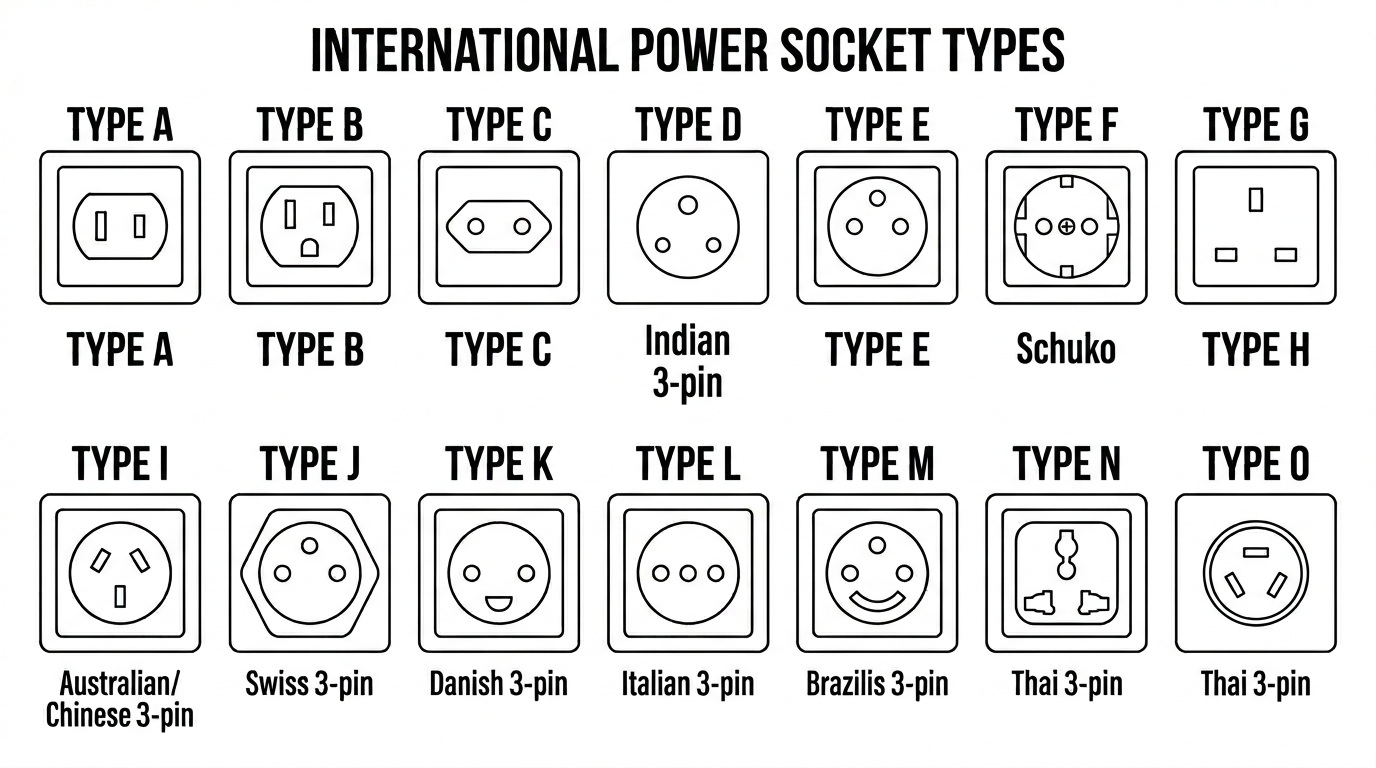
North Korea uses the North Korean won, type A, C, and F plugs and 112 for emergencies. North Korea has very low street crime against tourists because of pervasive state control, but the real danger is legal and political, not criminal.
Emergency Numbers
How safe is North Korea?
- Very Safe
- Generally Safe
- Exercise Caution
- High Risk
- Dangerous
North Korea has very low street crime against tourists because of pervasive state control, but the real danger is legal and political, not criminal. The grave risk is arbitrary arrest and long detention for acts that seem trivial elsewhere, such as taking forbidden photographs, possessing religious or political material, disrespecting images of the leaders, or straying from the guided group. Detained foreigners have faced harsh sentences and there is no functioning independent legal protection or, for many nationalities, accessible consular support. Tensions on the Korean Peninsula can also escalate with little warning.
Advisories (9)
Scams
- Guides may steer you to state-run shops and 'foreigner' stores where goods are sold at inflated prices in hard currency; there is little recourse and bargaining is limited.
- Currency confusion: tourists are generally barred from freely using the local won and pay in euros, yuan, or dollars. Change is sometimes given in mixed currencies at poor rates, so carry small denominations and count carefully.
- Unofficial 'extra' excursions, photos, or services may be offered for additional hard-currency fees that were not part of the agreed tour package; clarify all inclusions with your operator in advance.
- Be wary of buying souvenirs, stamps, or 'antiques' that may be illegal to export; confiscation at the border is common and you bear the risk.
Warnings
- Multiple governments (including the US, UK, Canada and Australia) advise against all or all-but-essential travel; the US bars use of US passports for travel to North Korea without special validation due to the serious risk of arrest and long-term detention.
- All travel must be on an organized, state-approved guided tour; independent travel is prohibited and leaving your guides can lead to detention.
- Photography is tightly restricted; photographing military sites, checkpoints, construction, soldiers, or anything deemed unflattering can result in arrest and confiscation of equipment.
- Possessing religious materials, political content critical of the regime, or unauthorized GPS/communications devices can lead to severe penalties.
- Consular assistance is extremely limited; many countries have no embassy, and detained travelers may be held incommunicado. Underlying geopolitical tensions can change the security situation rapidly.
Practical Info
Currency
North Korean won (KPW)
Power Plug
Type A, C, and F
Types A, C and F; 220V, 50Hz. Power supply is unreliable and blackouts are common, so bring a torch and universal adapter; hotels for foreigners are generally prioritized for electricity.
See the sockets
Tipping
Tipping is officially discouraged in principle but in practice is expected on tours. It is customary to tip your guides and driver at the end of the trip (a collected sum from the group is normal), and small gifts are also welcomed. Tourists transact in foreign hard currency (euros, Chinese yuan, or US dollars); ordinary visitors rarely handle local won.
SIM / Data
Foreign SIM cards do not work, and the local network is inaccessible to tourists. A separate tourist SIM (from Koryolink) allowing limited international calls and data could historically be purchased at the airport, but tourists are cut off from the domestic intranet and the global internet is effectively unavailable. Your own phone may be inspected on arrival; do not bring sensitive material. Assume no reliable independent connectivity.
Visa
Independent tourism is not permitted. Nearly all visitors must book through a state-approved tour operator, which arranges the visa; tourists typically receive a visa on a separate slip of paper rather than a passport stamp. Most tours enter via Beijing, China. Journalists and, in practice, U.S. passport holders face severe restrictions; the United States bans use of U.S. passports for travel to North Korea without a special validation. Note that tourism has been largely suspended/closed at various points (including pandemic-era border closures), so confirm current status with operators before planning.
Driving Side
Right
How do you get around North Korea?
Public Transport
Tourists do not use public transport independently. The Pyongyang Metro, famous for its deep, ornately decorated stations, is included on most tours but only specific stations are shown, and you ride with your guides. The city's trams and trolleybuses are for residents; you will not board them on your own.
Ride-hailing
- Noneride-hailing apps such as Uber, Grab or Bolt do not operate in North Korea, and tourists cannot hail taxis independently; all ground transport is arranged by the tour operator.
Intercity
Intercity movement is fully controlled by your tour. Travel between cities is typically by tour bus on a fixed route, occasionally by domestic train (e.g., Pyongyang to other cities) or the limited domestic flights of Air Koryo, always accompanied by guides. You cannot freely change destinations, and many areas of the country are off-limits to foreigners.
Culture and customs
Customs
- All travel is conducted on a strictly guided tour. From arrival to departure you are accompanied by two government-assigned guides (minders); independent movement outside the hotel is not permitted, and you must never wander off alone.
- Show deep respect toward the Kim family leaders. When visiting statues, monuments or the Mansu Hill Grand Monument, you may be asked to bow and to lay flowers; photographing statues must include the full body, never cropping or framing the leaders disrespectfully.
- Never fold, crumple, sit on, or otherwise disrespect newspapers or images bearing the leaders' faces. Mishandling materials with their portraits is treated as a serious offense.
- Hand over your itinerary and follow guides' instructions on what may be photographed. Do not photograph soldiers, checkpoints, construction sites, or anything unflattering (poverty, breakdowns); ask before taking any photo.
- Dress and behave modestly and avoid any political discussion or criticism of the government, even in private; assume conversations and rooms may be monitored.
- Gift-giving and small courtesies (cigarettes, foreign sweets) toward guides and drivers are appreciated, and tipping guides at the end of the tour is customary.
Dress Code
Smart-casual and conservative. Long trousers and a collared shirt are expected for men, and modest clothing for women, especially when visiting monuments such as Mansu Hill or the Kumsusan Palace of the Sun, where neat, respectful attire is mandatory. Avoid clothing with political slogans, flags, or anything resembling religious or activist symbols. Shorts and revealing outfits are frowned upon.
Religious Etiquette
North Korea is officially an atheist state and religion is heavily restricted; the state ideology of Juche dominates public life. A handful of state-sanctioned churches and temples exist in Pyongyang, largely for show, and genuine independent religious practice is suppressed. Do not bring religious literature (especially Bibles) into the country, do not attempt to proselytize or distribute any religious material, and avoid discussing religion with locals, as it can endanger them and lead to your detention.
Common Phrases
- 안녕하십니까 (Annyeonghasimnikka)Hello / How do you do (formal greeting)
- 감사합니다 (Gamsahamnida)Thank you
- 예 / 아니오 (Ye / Anio)Yes / No
- 미안합니다 (Mianhamnida)I'm sorry / Excuse me
- 얼마입니까? (Eolmaimnikka?)How much is it?
- 안녕히 가십시오 (Annyeonghi gasipsio)Goodbye (to someone leaving)
Highlights
Sports & Recreation
Football (soccer)
Mass gymnastics and football dominate the sporting landscape. The Arirang Mass Games, staged at Pyongyang's vast Rungrado May Day Stadium (one of the largest stadiums in the world by capacity), are an extraordinary spectacle of tens of thousands of synchronized performers and card-flipping mosaics, and are a highlight when running. Football is hugely popular, and the country takes national pride in its sports schools and international appearances. Taekwondo, which has Korean roots, is also celebrated. Sport is closely tied to state ideology and group discipline rather than casual recreation.
National Festivals
- April 15
Day of the Sun (Kim Il Sung's Birthday)
The most important national holiday, marking the birth of founding leader Kim Il Sung. Pyongyang fills with mass dancing, flower exhibitions (notably the Kimilsungia begonia show), parades and fireworks, and it is one of the peak times tourists are encouraged to visit.
- February 16
Day of the Shining Star (Kim Jong Il's Birthday)
Celebrates the birth of Kim Jong Il with figure-skating festivals, the Kimjongilia red begonia flower exhibition, mass gatherings and ideological events across Pyongyang in the depths of winter.
- September 9
Foundation of the Republic (National Day)
Marks the 1948 establishment of the Democratic People's Republic of Korea, often featuring large military parades, mass dances and civilian processions through Kim Il Sung Square.
- October 10
Party Foundation Day
Commemorates the founding of the Workers' Party of Korea, frequently marked by major parades, performances and fireworks, especially on milestone anniversaries.
Planning North Korea?
Try a ready-made trip first.
Open the demo trip with no sign-up: Barcelona on your own, or Rome, Florence and Venice as a group. Then plan North Korea your way.